
How to Cook Ribeye Steak in the Oven (Cast Iron)
Jump to...
Introduction
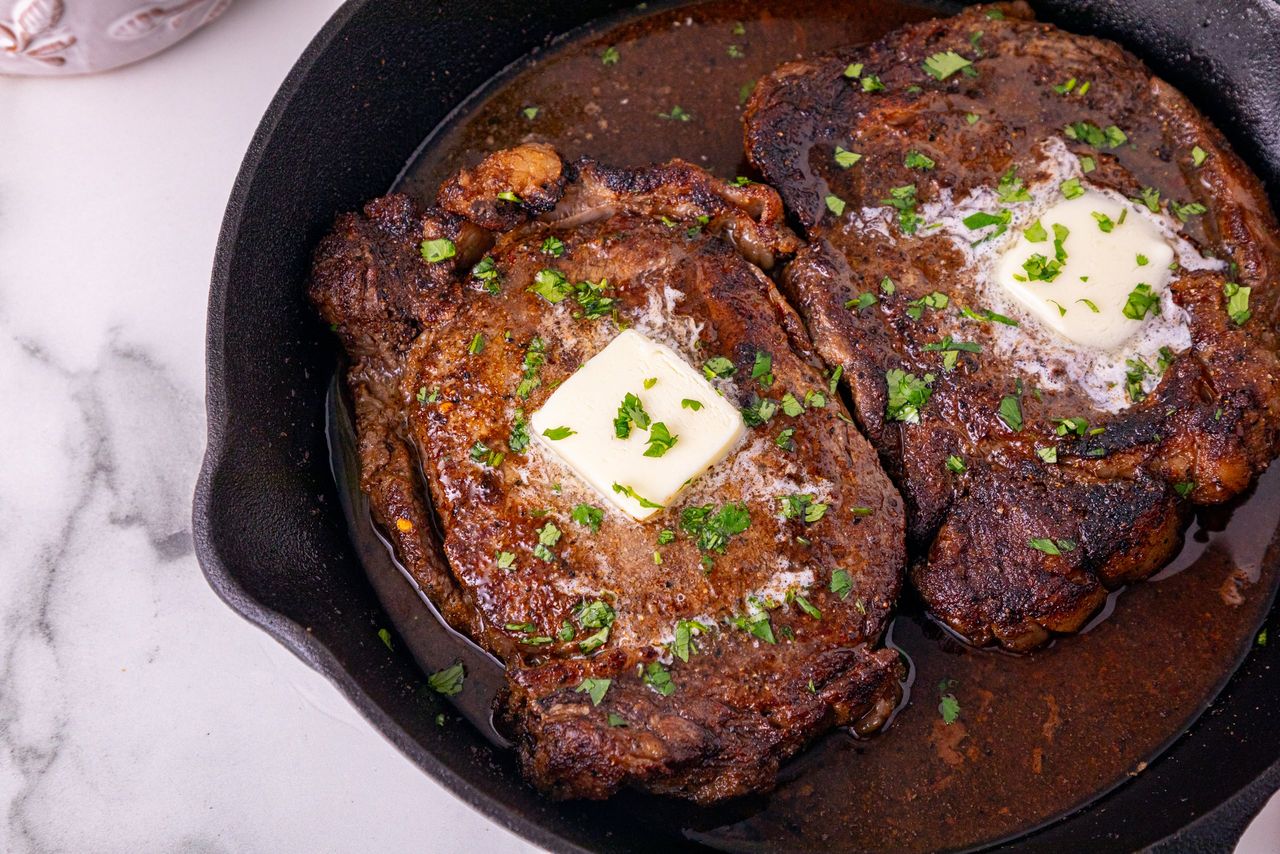
A good ribeye doesn’t need a grill (yes, I said it). It needs a dark, well-seasoned crust and a middle cooked the way you like it. You can get that crust and that middle at home with nothing more than a heavy cast iron skillet and your oven, then finish with a pat of butter melting into the pan juices.
The skillet is for the crust. You lay the steaks in smoking-hot beef tallow (or a high-smoke-point oil like avocado oil) and leave them alone until the underside is deeply browned, then flip them and do the other side. An inch-thick ribeye needs more time than that for the middle to catch up, and if you kept it on the burner the whole way, the outside would go further than you want. So you move the whole skillet into the oven to finish. Rest the steaks on a board for 5 to 10 minutes, and you’ll have two big ribeyes on the table in about 35 minutes.
What You’ll Need
-
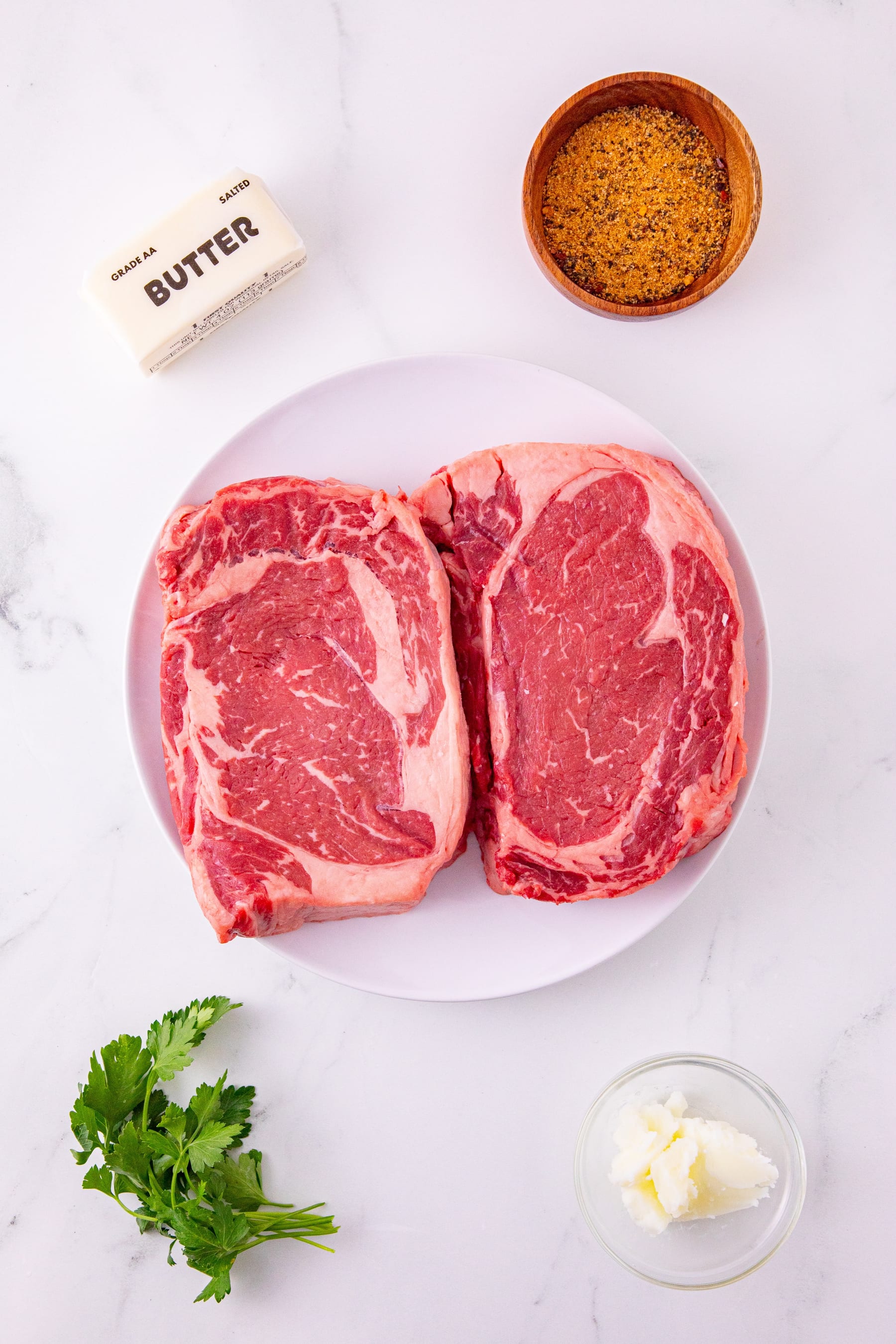
Boneless ribeye steaks, at least 1 inch thick. Look for two steaks of about 1¼ pounds each, but pay more attention to thickness than to weight. An inch is thick enough that the middle needs the oven to finish, and it’s the thickness the cooking times below are for.
-
Steak seasoning. Use the blend you like. They differ a lot in how salty they are, so start with about 1½ tablespoons for the two steaks, taste yours, and add salt and pepper if it’s mild.
-
Beef tallow, or a high-smoke-point oil. Whichever you use has to cope with a skillet hot enough to smoke, and tallow does. Avocado oil works too. Butter scorches over that kind of heat, so it stays out of the pan until the searing is over.
-
Butter and fresh herbs to finish. The butter goes on the steaks while they’re hot, so it melts into the pan juices you’ll spoon over the slices later. Chopped parsley works, or whatever fresh herb you have.
For equipment, you’ll want a large cast iron skillet (a 12-inch one holds two of these steaks), a sturdy oven mitt and, if you have one, an instant-read thermometer.
Getting a Good Sear
The crust comes from those 6 minutes in the skillet, and it comes down to a hot pan and patience. Heat the skillet over medium-high, add the tallow, and wait until it ripples and starts to smoke before the steaks go in. Then leave them alone for the full 3 minutes. Moving them around keeps them from browning.
Give the steaks room, too. Two 1¼-pound ribeyes fit a 12-inch skillet with space between them, which is what you want. Squeeze them into a smaller pan and they won’t brown as well.
A skillet hot enough to smoke will put some smoke in your kitchen. Turn on the range hood or open a window before you start, not halfway through the sear.
How Long to Cook Ribeye in the Oven
For inch-thick steaks, it’s 3 minutes a side in the skillet, then 8 to 14 minutes in the 400°F oven. The short end of that range is for steaks you like rarer, and the long end is for steaks cooked more. Steaks and ovens both vary, so start checking at 8 minutes rather than waiting for the timer.
The easiest check is to look. Cut a small slit into the thickest part of one steak and peek at the middle: deep red for rare, rosy pink for medium-rare, a band of pink for medium, and little or none as you head toward well-done. If it needs longer, put the skillet back in the oven and check again soon after.
Some cooks go by touch instead. Press the middle of the steak with a fingertip: the softer it feels, the rarer it is, and it firms up as it cooks. The classic version compares it with the fleshy base of your thumb as you touch your thumb to each fingertip in turn, from rare at your index finger to well-done at your little finger. It takes some practice and it’s a rough guide, so use the slit if you’re unsure.
However you check, take the steaks out a little before they look done. They keep cooking for a few minutes as they rest, so a steak pulled right on target ends up a shade more done than you meant. Use a mitt for the skillet, because the handle comes out of the oven as hot as the rest of the pan, and rest the steaks on a plate or cutting board, not in the skillet: the cast iron stays hot for a long time and keeps cooking whatever sits in it.
If you do have an instant-read thermometer, it takes out the guesswork. Push it into the thickest part of a steak from the side and take the steaks out at the temperature in the second column. They’ll rise about 5°F as they rest.
| Doneness | Take out at |
|---|---|
| Rare, 125–130°F | 120–125°F |
| Medium-rare, 130–140°F | 125–135°F |
| Medium, 140–150°F | 135–145°F |
| Medium-well, 150–160°F | 145–155°F |
| Well-done, 160–165°F | 155–160°F |
The USDA’s safe minimum for beef steaks is 145°F with a rest of at least 3 minutes. Rare, medium-rare and the low end of medium are a matter of taste and sit below that line, so cook to 145°F if you’re following the USDA guidance.

Cast Iron Ribeye Steak in the Oven
0 net carbsIngredients
For the steaks
- 2 ½ lbs ribeye steak, boneless, 2 steaks, about 1¼ lb each and 1 inch thick
- 1 ½ tbsp steak seasoning, or to taste
- 1 tbsp beef tallow, or a high-smoke-point oil such as avocado oil
To serve
- 2 tbsp butter, salted, sliced
- A pinch of parsley, fresh, chopped, or another fresh herb (optional)
Nutrition Facts
2 servings per recipe| Per Serving 1540 | Per Recipe 3080 | |||
| 2 ½ lbs of ribeye steak, boneless | 1380 | 2760 | ||
| 1 tbsp of beef tallow | 57.5 | 115 | ||
| 2 tbsp of butter, salted | 102 | 204 | ||
| 123g | 158% | 247g | 316% | |
| 2 ½ lbs of ribeye steak, boneless | 105.5 g | 211 g | ||
| 1 tbsp of beef tallow | 6.4 g | 12.8 g | ||
| 2 tbsp of butter, salted | 11.5 g | 23 g | ||
| 57g | 285% | 114g | 570% | |
| 2 ½ lbs of ribeye steak, boneless | 46.5 g | 93 g | ||
| 1 tbsp of beef tallow | 3.2 g | 6.4 g | ||
| 2 tbsp of butter, salted | 7.3 g | 14.6 g | ||
| 7g | 14g | |||
| 2 ½ lbs of ribeye steak, boneless | 6.5 g | 13 g | ||
| 2 tbsp of butter, salted | 0.5 g | 1 g | ||
| 433mg | 144% | 866mg | 289% | |
| 2 ½ lbs of ribeye steak, boneless | 395 mg | 790 mg | ||
| 1 tbsp of beef tallow | 7 mg | 14 mg | ||
| 2 tbsp of butter, salted | 31 mg | 62 mg | ||
| 2000mg | 87% | 3990mg | 174% | |
| 2 ½ lbs of ribeye steak, boneless | 285 mg | 570 mg | ||
| 1 ½ tbsp of steak seasoning | 1620 mg | 3240.01 mg | ||
| 2 tbsp of butter, salted | 91 mg | 182 mg | ||
| Total Carbohydrate | 0g | 0% | 0g | 0% |
| Dietary Fiber | 0g | 0% | 0g | 0% |
| Total Sugars | 0g | 0% | 0g | 0% |
| Sugar Alcohols | 0g | 0% | 0g | 0% |
| Allulose | 0g | 0% | 0g | 0% |
| Net Carbohydrates | 0g | 0% | 0g | 0% |
| 106g | 212% | 212g | 424% | |
| 2 ½ lbs of ribeye steak, boneless | 106 g | 212 g | ||
| 2 tbsp of butter, salted | 0.1 g | 0.2 g | ||
About these numbers: We are home cooks, not certified nutritionists. Nutrition is shared as a courtesy. We pick a representative product for each ingredient, and our recipe system works out the totals from the amounts in this recipe, so please treat them as a helpful estimate rather than a guarantee. The brands you buy, any swaps you make, and how generously you portion the recipe will all move these numbers.
Directions
-
Heat the oven and season the steaks.
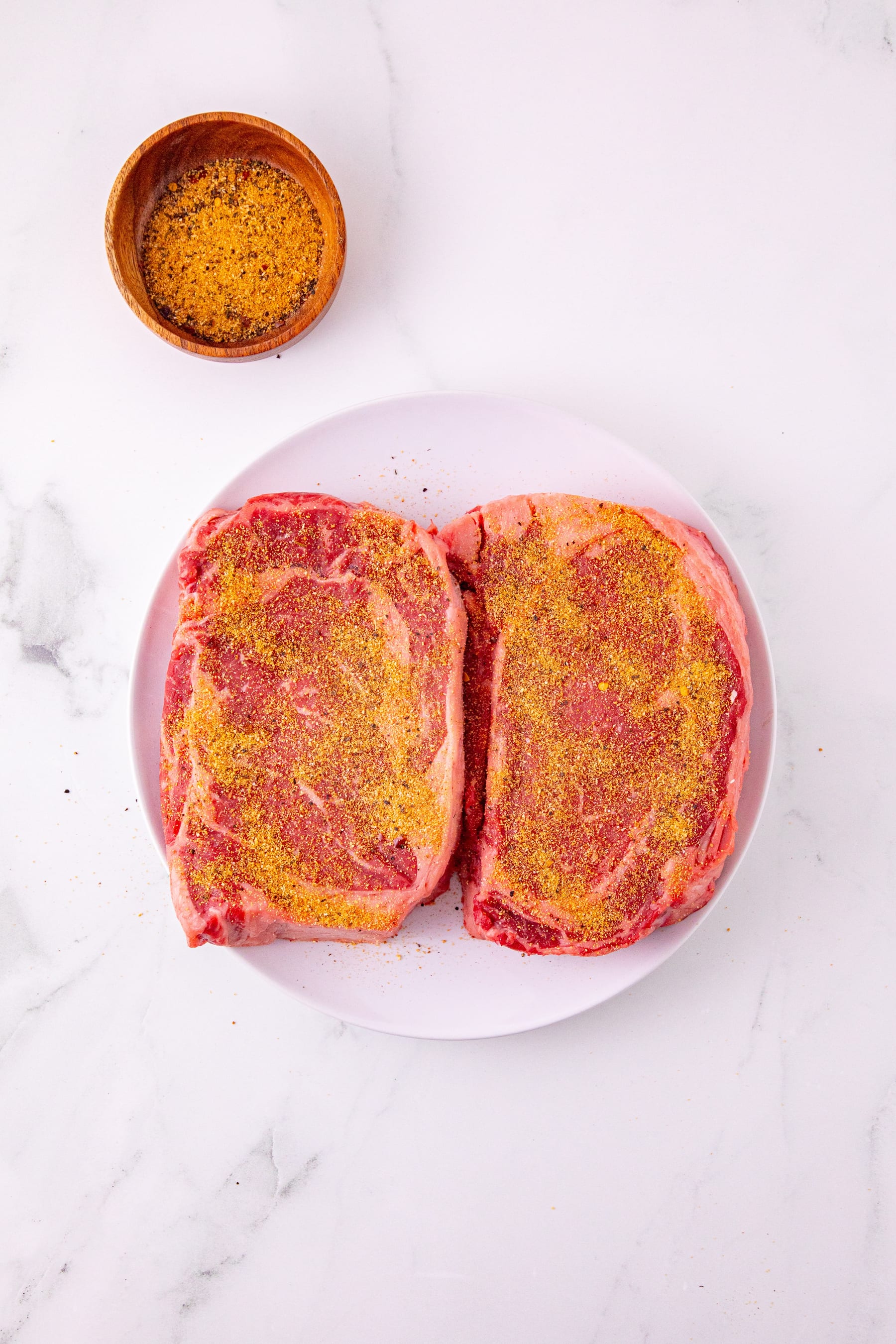
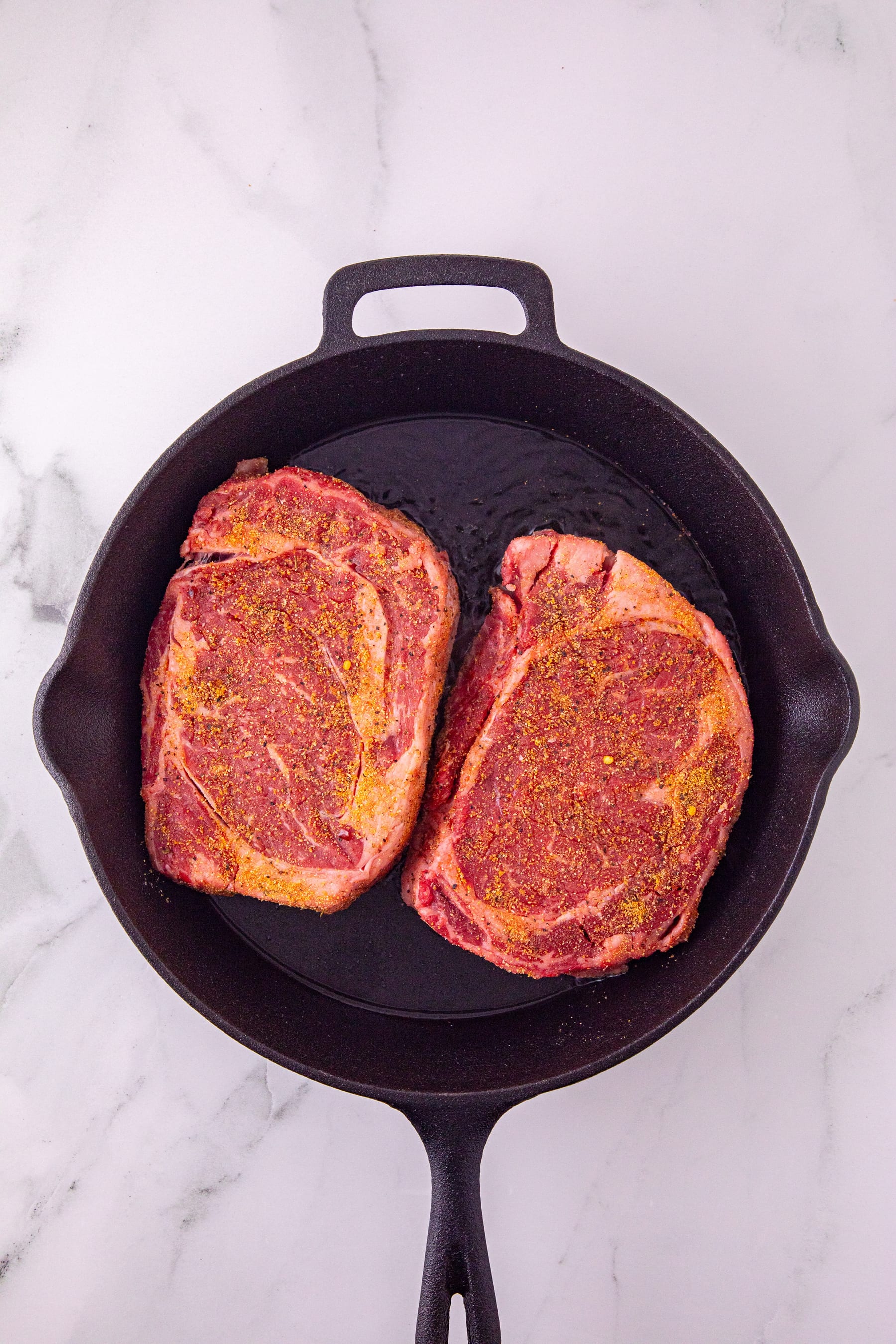
Preheat the oven to 400°F. Sprinkle the steak seasoning over both sides of the steaks.
If you have time, let the steaks sit out for about 30 minutes before you season them, so the centers aren't fridge-cold when they hit the pan. Cooking them straight from the refrigerator works too.
-
-
Heat the tallow in the skillet until it smokes.
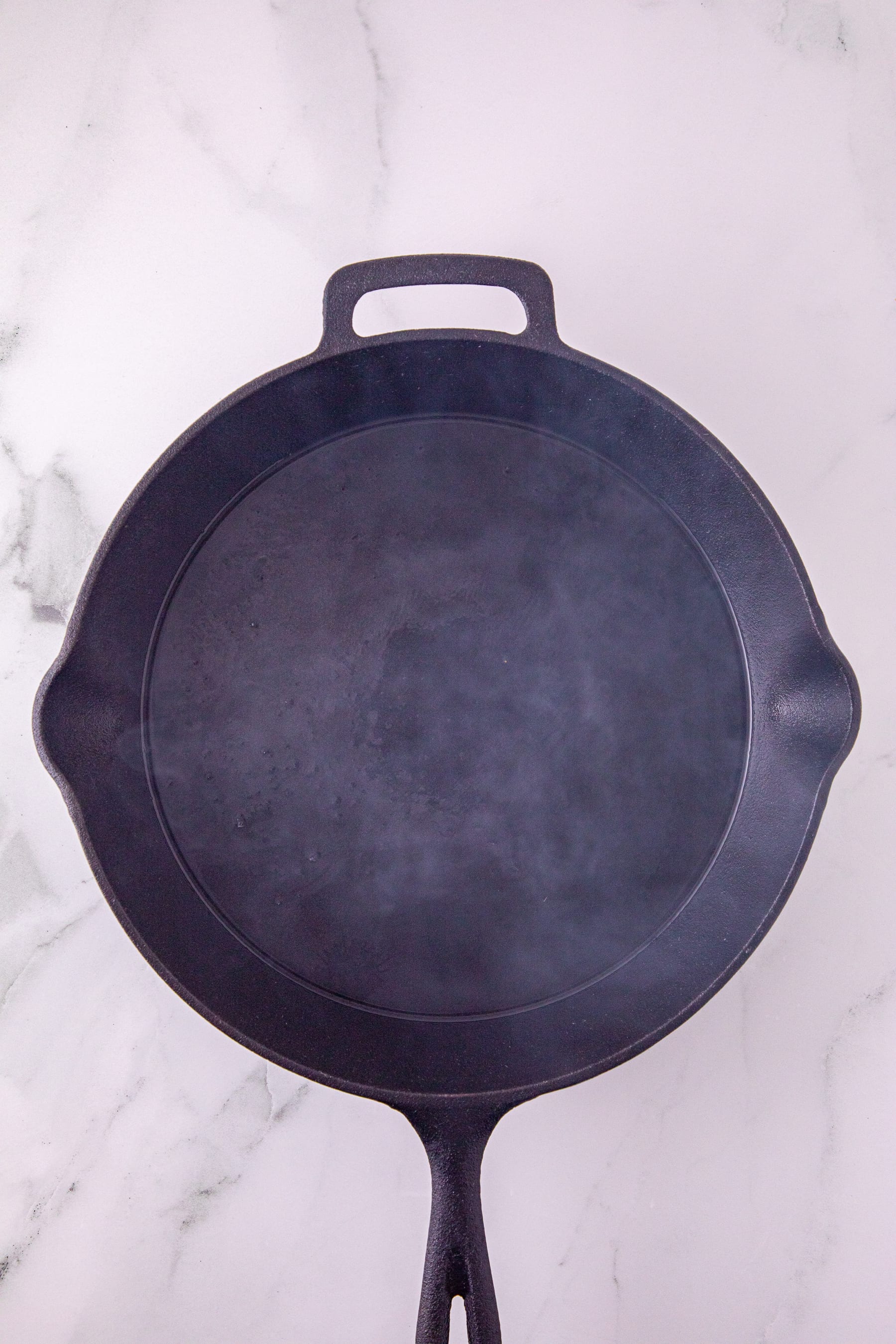
Set a large cast iron skillet (a 12-inch one fits two steaks) over medium-high heat. Once it's hot, add the tallow and let it melt and coat the bottom of the pan. Wait until the tallow (or oil) ripples and starts to smoke.
-
-
Sear the first side.
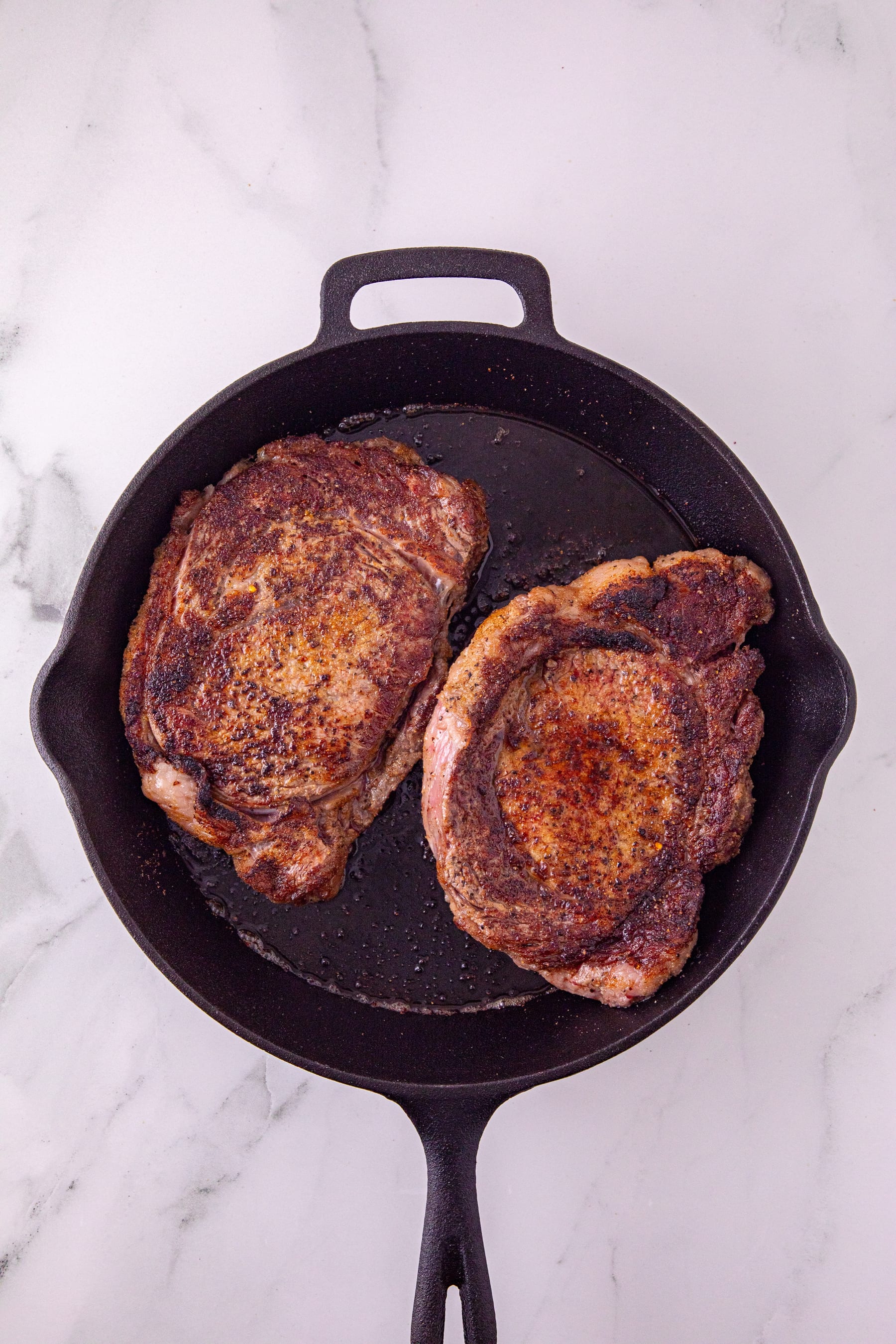
Lay the steaks in the skillet and sear them for 3 minutes without moving them, until the undersides are deeply browned.
-
-
Flip and sear the second side.
Turn the steaks over and sear the second side for 3 minutes.
-
-
Finish them in the oven.
Move the skillet to the oven and cook for 8 to 14 minutes, the shorter time for rarer steaks and the longer for more done. Start checking at 8 minutes. If you use an instant-read thermometer, take the steaks out about 5°F below the doneness you want (see the temperature guide in the Notes).
The skillet handle will be as hot as the oven. Keep an oven mitt or a folded towel over it until the pan has cooled.
-
Butter the steaks and let them rest.
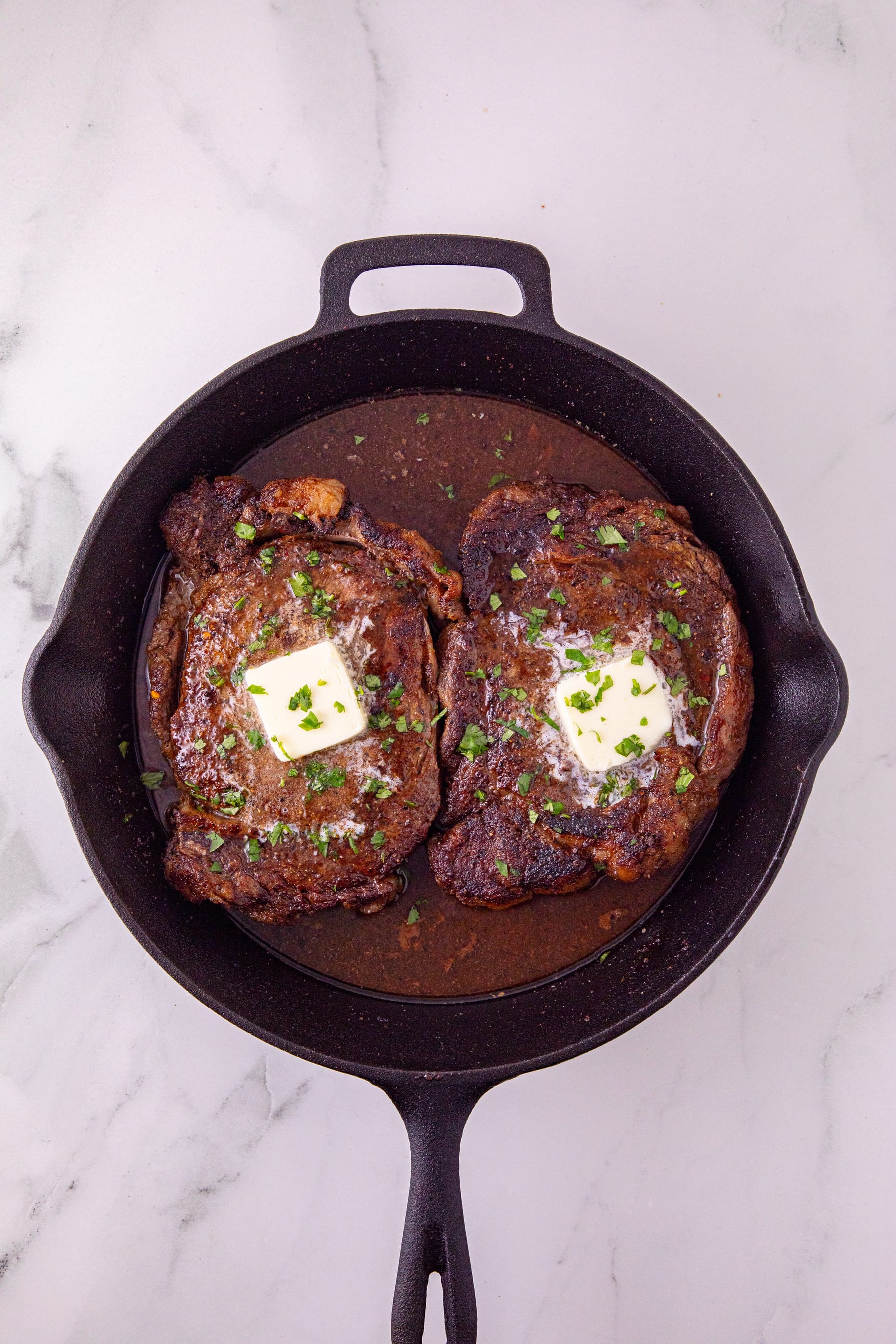
Top each steak with slices of butter and a scattering of fresh herbs. Move the steaks to a plate or cutting board and let them rest for 5 to 10 minutes.
Don't let them rest in the skillet. The hot cast iron keeps cooking them.
-
-
Slice and serve.
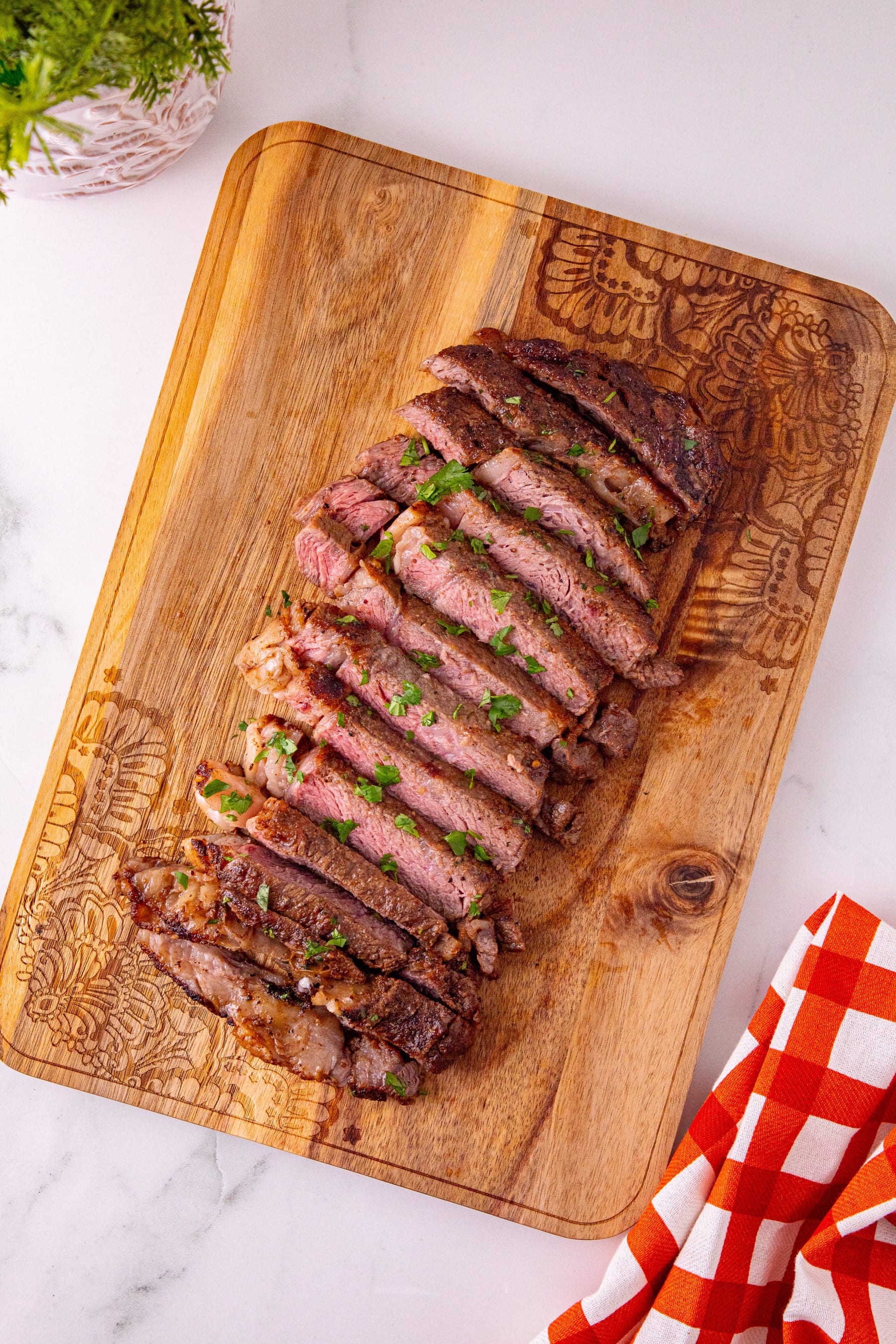
Slice the steaks into strips, or serve them whole.
-
Notes
- Doneness by thermometer, after resting: rare 125–130°F, medium-rare 130–140°F, medium 140–150°F, medium-well 150–160°F and well-done 160–165°F. Take the steaks out of the oven about 5°F below your target, because the temperature keeps rising as they rest. The USDA’s safe minimum for beef steaks is 145°F with a 3-minute rest; rare, medium-rare and the lower end of medium all sit below it.
- Use steaks at least 1 inch thick. Thinner steaks are better cooked entirely in the skillet, without the oven.
- Any heavy, oven-safe skillet works if both steaks fit with room between them. Cast iron gives the best sear.
- Steak seasoning blends vary a lot in salt. Taste yours, and add salt and pepper if it needs them. The Nutrition Facts use a Montreal-style steak seasoning, so the sodium will differ with your blend.
- One serving is one steak. The Nutrition Facts count all of the tallow, though some is left in the skillet.
- Contains milk (butter).
Thinner or Thicker Steaks
Steaks thinner than an inch don’t need the oven at all. Sear them in the skillet and keep them there until they’re done the way you like them.
A thicker ribeye will likely need longer than 14 minutes in the oven, so keep checking rather than counting minutes. Once you’re dealing with steaks 1½ inches thick or more, our reverse seared steak is worth a look. It goes the other way around, with a low oven first and a quick sear at the end.
What to Serve With Ribeye
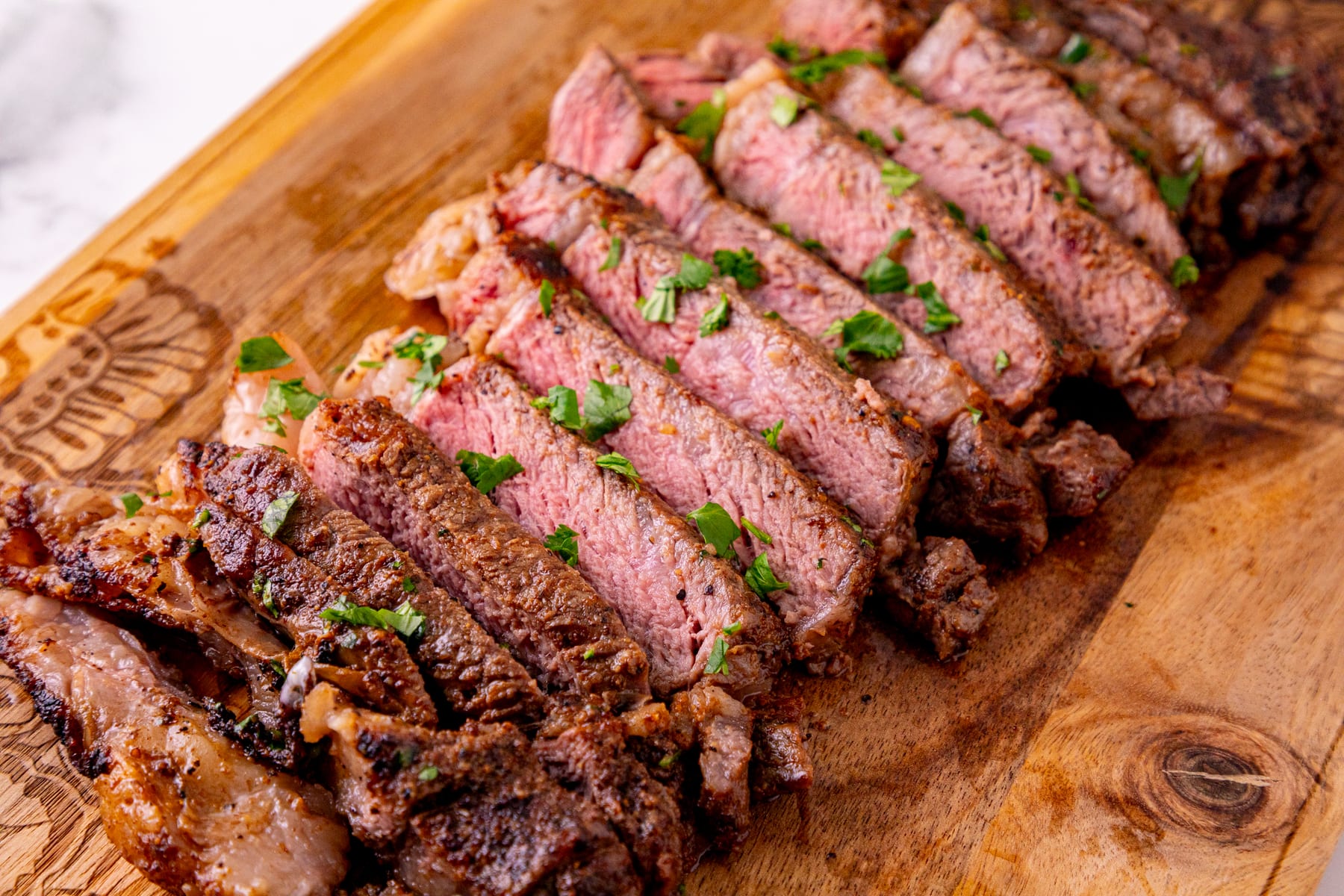
Steak, butter and a vegetable is about as low-carb as dinner gets, so this fits a keto plate as it is. Spoon some of the buttery pan juices over the slices, then add a side: our zucchini slices with Parmesan and bacon, cheesy cauliflower grits or a shaved Brussels sprouts salad.
Our steak fajita foil packets are another steak dinner that cooks in the oven, and the reverse sear chuck roast takes a cheaper cut to a steak-like pink.
Leftovers
Get leftover steak into the refrigerator within two hours of cooking (one hour if it’s above 90°F), in a covered container, and eat it within three to four days, which is the USDA window for cooked meat leftovers. The USDA’s advice is to reheat leftovers to 165°F.
Frequently Asked Questions
Can I cook ribeye without finishing it in the oven?
For a steak thinner than about an inch, yes. Sear it in the skillet and keep it there until it’s done the way you like it. For an inch-thick ribeye, the oven finishes the middle after the skillet has built the crust, so the outside isn’t stuck on a hot burner until the center is done.
What if I don't have a cast iron skillet?
Any heavy-bottomed skillet that can go into a 400°F oven will work, as long as both steaks fit with room between them. Check that the handle is oven-safe too. Cast iron gives the best sear, but a heavy stainless steel skillet is a reasonable stand-in. Check the manufacturer’s limits before putting a nonstick pan over high heat or into the oven.
Why isn't my steak browning?
Usually one of three things. The skillet wasn’t hot enough when the steaks went in, so wait until the tallow or oil ripples and starts to smoke. The steaks were moved before the 3 minutes were up, so leave them in place. Or the pan was too crowded, so use a skillet big enough to leave space around both steaks.
Wrap Up
A hot skillet for the crust, the oven for the middle and butter at the end: once you’ve done it that way, a steakhouse-style ribeye stops feeling like a special-occasion project.
If you make it, rate the recipe on the card and tell us in the comments how you like your ribeye cooked. We love hearing from you! You can also share a photo on Instagram with #buttertogetherkitchen.
More Recipes You'll Love
-
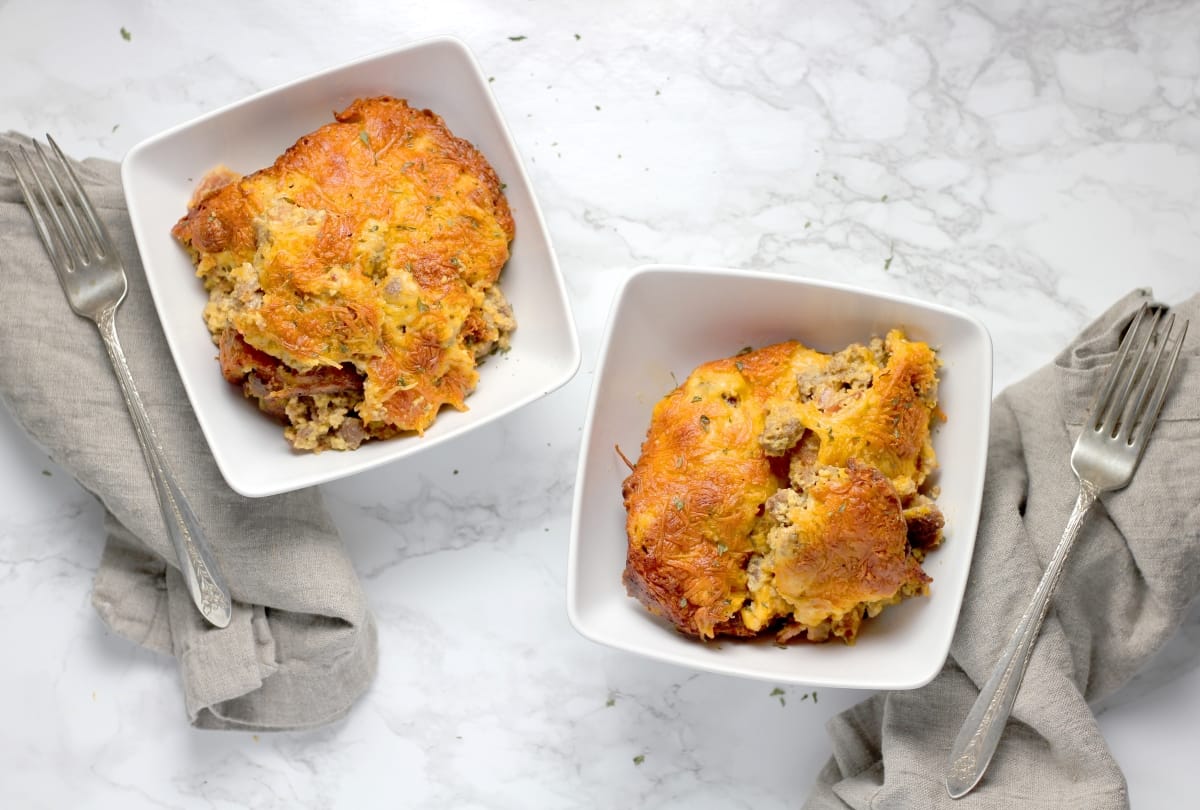
Easy Low Carb Bacon Cheeseburger Casserole
Appetizers & Sides, Lunch & Dinner January 8, 2019 -
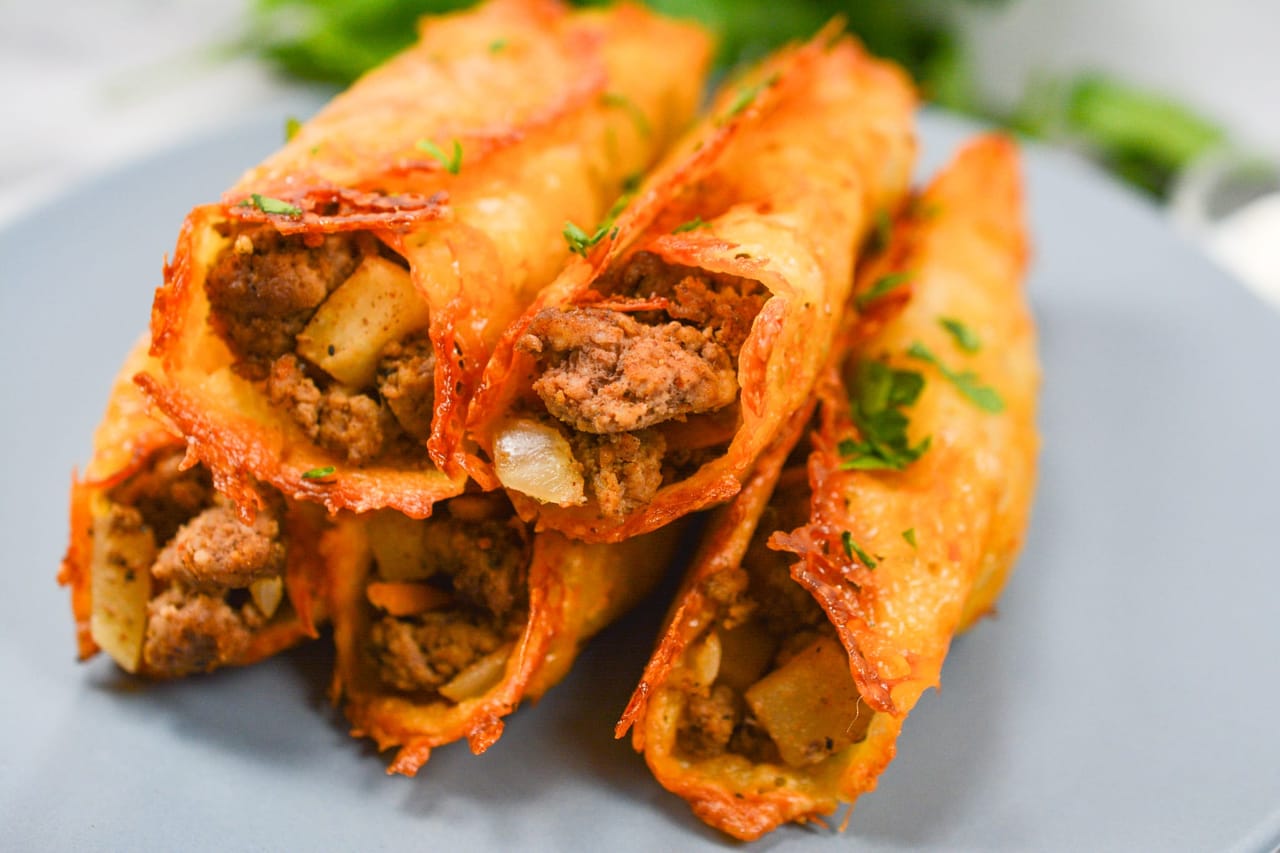
Keto Beef Taquitos with Crispy Cheese Shells
Appetizers & Sides, Lunch & Dinner August 17, 2026 -
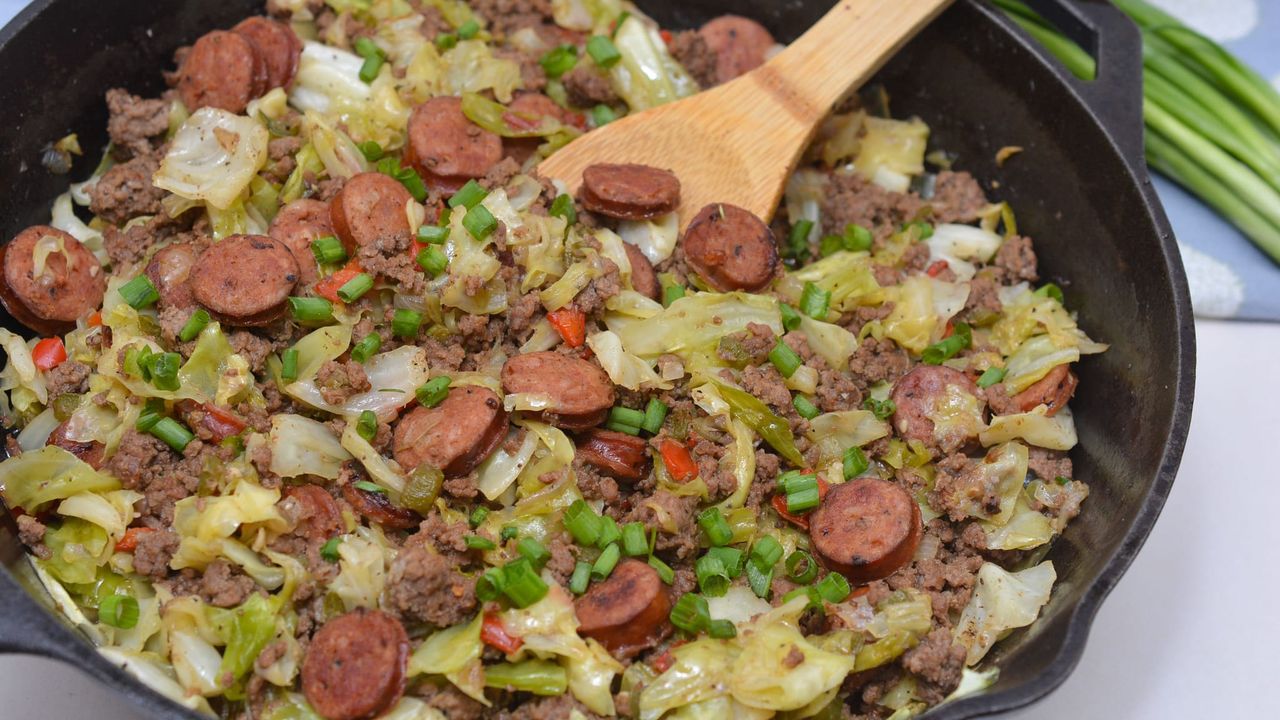
Cajun Dirty Cabbage with Ground Beef and Sausage
Lunch & Dinner November 16, 2026 -
Keto Taco Casserole with Ground Beef and Eggs
Lunch & Dinner August 27, 2019