
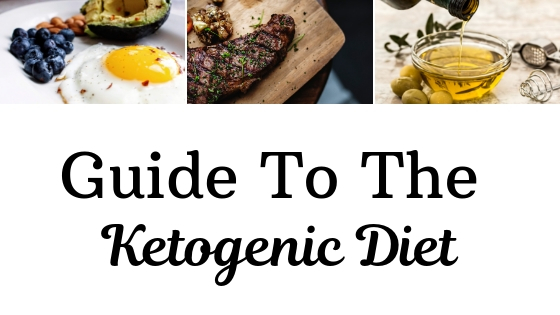
A Guide to the Ketogenic Diet
Jump to...
Introduction
Maybe you heard about the ketogenic diet from a friend, from a coworker, or from roughly half the internet. People who try the keto diet will tell you that living a keto lifestyle has its share of joys and challenges. Together, we’re going to explore in detail what keto is all about.
Click HERE To Pin It For Later
How does it work? What are the benefits and risks of the diet? What should I eat and avoid? How do I kickstart ketosis today? Don’t worry. We’ll answer all your questions.
The Ketogenic Diet and How It Works
The ketogenic or keto diet is a high-fat, low-carbohydrate, and moderate protein diet. On keto, your body enters a state known as ketosis. This happens when your liver converts fat into ketones for energy.
When you eat more carbs, normally, carbs are broken down into glucose. Glucose is then carried to your bloodstream for your cells to use it as energy. Starving your body of carbohydrates forces your body to burn fat instead for fuel. As you can see, our bodies are capable of adapting to whatever we feed it with.
How much should you eat on a keto diet?
Most keto dieters limit their carbs to 20-50 grams per day. A classic keto diet would have the following macronutrient ratio: 60-75% of calories from fat, 15-30% of calories from protein, and 5-10% of calories from carbs. Your exact macros depend on a variety of factors. This includes your weight and activity levels. Because it can be tricky to determine optimal macros, most people find a keto calculator helpful.
Pros and Cons of Keto
Prior to starting a keto diet, it’s important to know why you want it. Every plan has a motivation behind it. Knowing your “why” helps you keep pushing especially during times when you just want to indulge in sweets or feel “hangry” after a stressful day at work. At the same time, you should anticipate the possible downsides of keto.
Pros
1. Reduces hunger and cravings
One of the changes people mention most often is what happens between meals. Many of us have an intense desire for high carbohydrate foods such as pizza, ice cream, and pasta, and those cravings can be hard to talk yourself out of.
There’s real research behind that pull. A review of animal studies found that intermittent, excessive sugar intake produces changes in the brain’s reward system that overlap with those seen in addiction. Whether that translates directly to people is still debated, but if you have a sweet tooth, sweeteners like stevia, erythritol, and monk fruit give you somewhere to go besides sugar.
2. Studied for blood sugar and type 2 diabetes
Is a keto diet good for type 2 diabetes? It’s one of the most-asked questions in low-carb eating, and we’re not going to give you a number or a promise. There is no single carbohydrate target that is right for everyone with diabetes — what works depends on the person, their medication, and their goals, which is why this is a conversation to have with your own care team rather than something to settle from an article. The NIDDK’s guidance on healthy living with diabetes covers how food, activity and medication get planned together.
This is also the part of keto you should not take on by yourself. Carbohydrate intake interacts directly with diabetes medication, and an insulin dose that was right on a higher-carb diet can drive blood sugar too low on a low-carb one. If you take medication for diabetes, talk to the clinician who prescribes it before you change how you eat, and never adjust a dose on your own — the NIDDK explains the risk in its guidance on low blood glucose (hypoglycemia).
3. Increases healthy HDL cholesterol
There’s a common misconception with the keto diet. Many people believe that because you eat more fats, you’re prone to getting clogged arteries. Studies reveal that eating a low-carb diet improves your HDL levels long-term. Choosing healthy fats (omega-3) which are found in fatty fish and olive oil also increases HDL.
Cons
1. Increased risk of kidney stones
One of the factors that cause kidney stones is dehydration. Some keto dieters with a history of kidney stones are likely to develop them if they don’t keep themselves well-hydrated. Here’s why: Lowering your carbs makes your body lose glycogen which causes frequent urination. When you’re peeing more than usual, you need to drink more water.
2. Reduced physical performance (at the beginning)
It’s normal to experience a decrease in performance at the start of a keto lifestyle. Remember that your body is still adjusting to its withdrawal from glucose. Many people find this settles down as they adapt, though how long that takes differs from person to person. Research comparing low-carb and higher-carb diets for endurance performance is genuinely mixed, so treat an early dip as a normal part of the adjustment rather than a preview of how you’ll perform later on.
Foods to Avoid and Eat
Since you’ll be decreasing your carb intake, beware of carb foods such as grains (even whole grains), beans and legumes, and most fruits (bananas, apples, and pineapples, and watermelons). Stay away from sweetened beverages — juices, coffee, and tea. Commercially-baked and processed goodies like cakes and candies are also a no-no.
How about keto foods you can eat? An excellent keto diet food list includes seafood, vegetables that grow above the ground, fattier nuts (cashews and macadamias), eggs, cheese, and healthy oils (avocado, MCT oil, and olive oil).
For a well-formulated keto diet that helps you enjoy the most benefits, you’ll want to steer clear of ingredients that include syrups and anything that sounds like a chemical.
How to Get Into Ketosis
Convinced of our reasons to try the keto diet? Please take note that achieving ketosis doesn’t happen overnight. For most people it takes several days of consistently low carbohydrate intake, but the timing depends on what you eat, how active you are, and your own metabolism. Here are practical places to start:
1. Carb-proof your pantry
First things first, make sure that you don’t have instant access to carbohydrates. That means getting rid of foods like pasta, chips, bagels, and fruit juices. I know that it can be difficult to let these things go. The trick is to replace all these carb foods with delicious keto options. Many keto followers find batch cooking an effective technique to stick with the diet.
2. Know where intermittent fasting fits
“Can I mix keto and intermittent fasting?” I hear this question a lot. The two get talked about together constantly, and some people do combine them.
It’s worth saying clearly that fasting is not a requirement of eating keto, and it isn’t right for everyone. If you take medication that has to be timed around meals, it’s a decision to make with your clinician first rather than after — the NIDDK’s discussion of fasting safely with diabetes walks through why the timing matters. And if anything else about your health or your history makes you wonder whether going without food for long stretches is a good idea for you, that’s a question for a professional who knows you — not one a recipe blog should be answering.
3. Eat more high-quality fats
A common mistake that people make is that they don’t eat enough fat. Remember, fat is your friend. There are many ways to add more fat to your diet. One is to cook with fat such as butter or extra virgin olive oil. Another is to add cheese to your meals. Cheese is keto-approved. Choose cheddar or mozzarella.
4. Understand ketone testing
Are you actually in ketosis? Some people like to check, and ketones can be measured three ways — in your breath, your urine, and your blood.
Each has trade-offs. Urine strips are the cheapest and simplest, but the reading is easily thrown off by hydration, exercise, and fasting, and it tends to get less informative the longer you’ve been eating this way. Breath and blood meters are more consistent and cost more up front. Plenty of people eat a ketogenic diet without ever testing, and a reading on its own doesn’t tell you whether the way you’re eating is working out. That said, if a clinician has asked you to monitor your glucose or ketones, keep doing it exactly as they’ve directed — that is a different thing from curiosity, and it isn’t optional.
5. Include MCT oil in your diet
MCT in MCT oil stands for medium chain triglycerides. These fats are absorbed differently from most of the fat in your diet, and studies have measured a rise in blood ketone levels after people take them. The further claims you’ll see on the label — sharper thinking, steadier energy — are far less settled than the marketing suggests, so it’s better treated as one fat among several than as a shortcut. It comes in liquid form or soft gels, and it’s worth starting with a small amount, because larger servings commonly cause stomach upset.
6. Eat snacks that mostly consist of fat
When you’re hungry or having an energy crash, it’s good to have a readily available keto snack. Fat-filled snacks include pork rinds, high-fat nuts (macadamias, pecans, walnuts), and avocados. Ever heard of fat bombs? These are snack balls and bars made of high-fat ingredients like butter, coconut oil, and cream cheese.
Click HERE To Pin It For Later
[simple-author-box]
Helpful Related Articles:
Correction — August 27, 2026: We removed weight-loss and diabetes claims this article could not support, along with a promoted “fat burner”, and rewrote those sections as general background with links to medical sources.
More From Butter Together Kitchen
-

Amazon Finds For Thanksgiving on a Keto Diet
Life November 25, 2019 -

Are Oranges Keto? Carbs, Portions, and Orange Alternatives
Health, Ingredients August 31, 2026 -

Is Cream Cheese Keto? Carbs, Types & What to Buy
Health, Ingredients August 31, 2026 -

The Best Alcoholic Drinks on Keto (and What to Skip)
Drinks, Health August 23, 2026