Keto Lemon Bars
Jump to...
Introduction
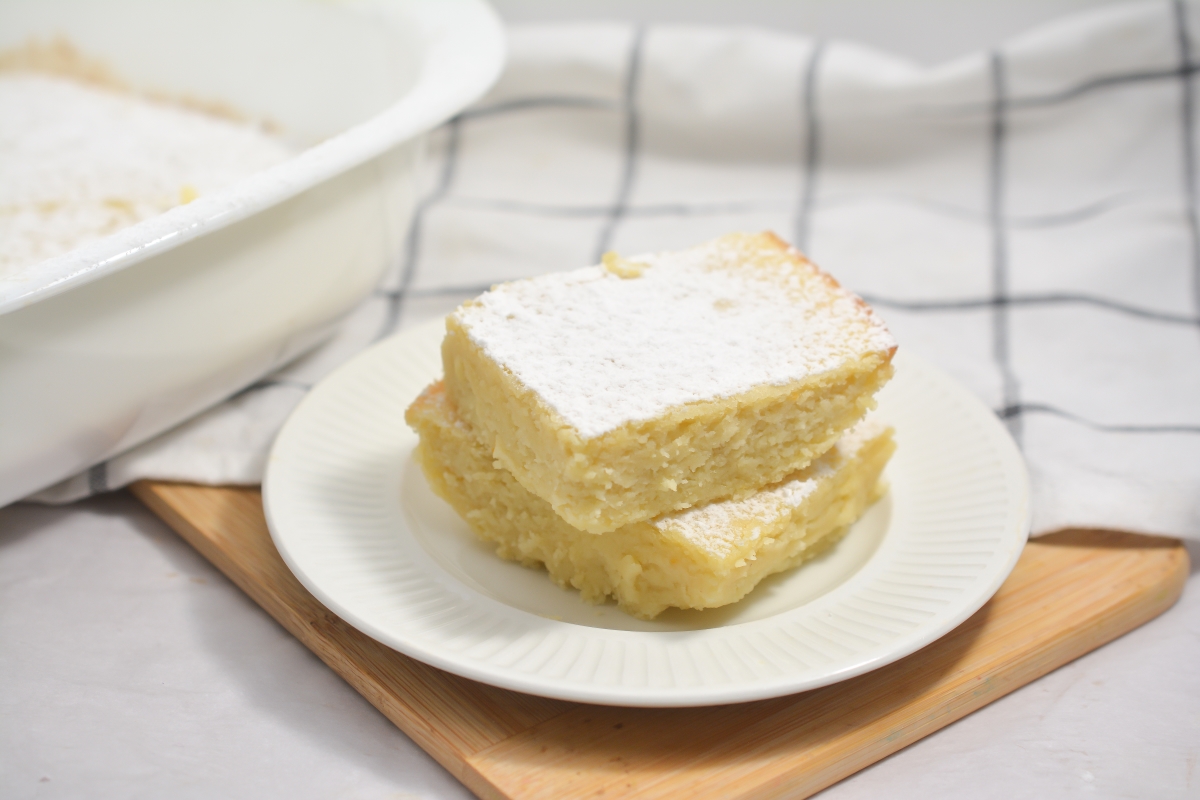
Sweet and tangy at the same time — that is what lemon bars are for. These are the one-bowl kind: buttery and soft set rather than a pressed crust under a separate curd, which is most of why they are quick enough to be worth making on a weeknight.
One of our all-time favorite desserts is Keto Lemon Pound Cake — moist, zesty, and drizzled with sweet icing. These lemon bars scratch the same itch with a lot less work.
Keto Lemon Bars Made With Lakanto’s Monk Fruit Sweetener
The whole recipe leans on two things: almond flour and real lemons.
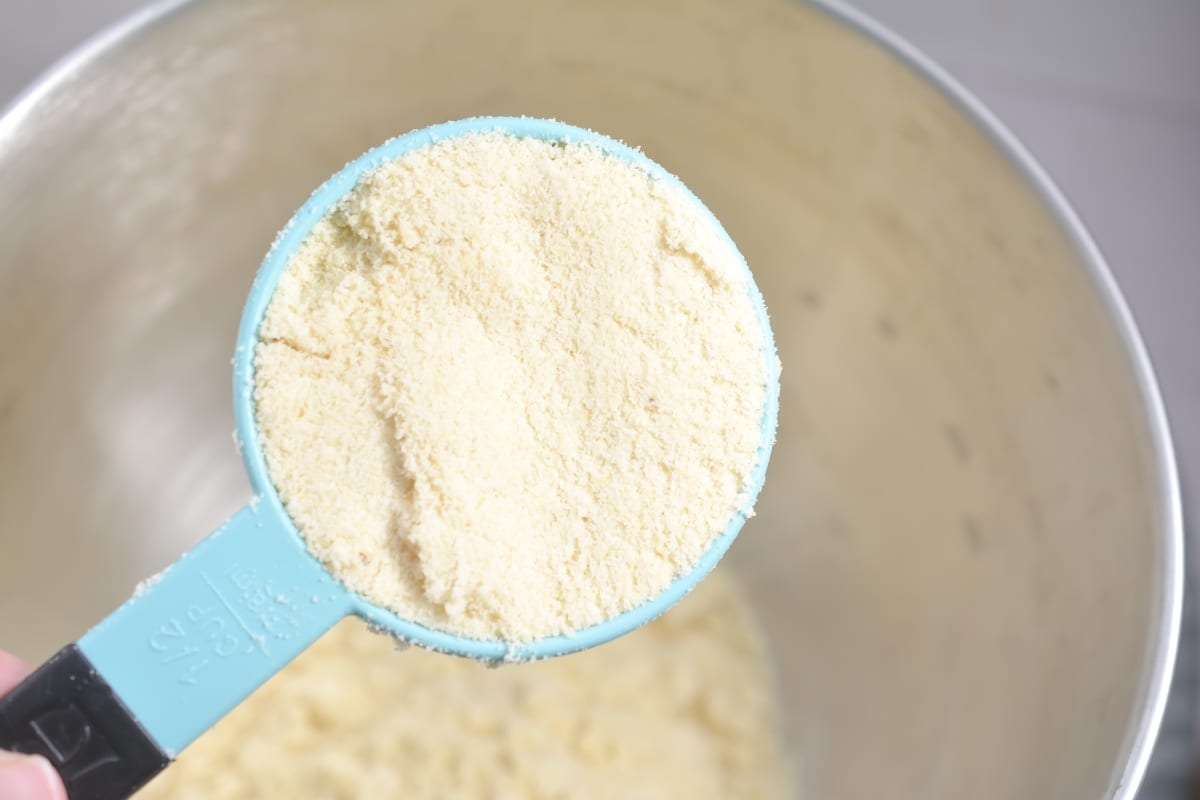
Almond flour stands in for wheat flour here, and because it is all one batter rather than a base under a separate filling, there is no blind-baking step to get wrong.
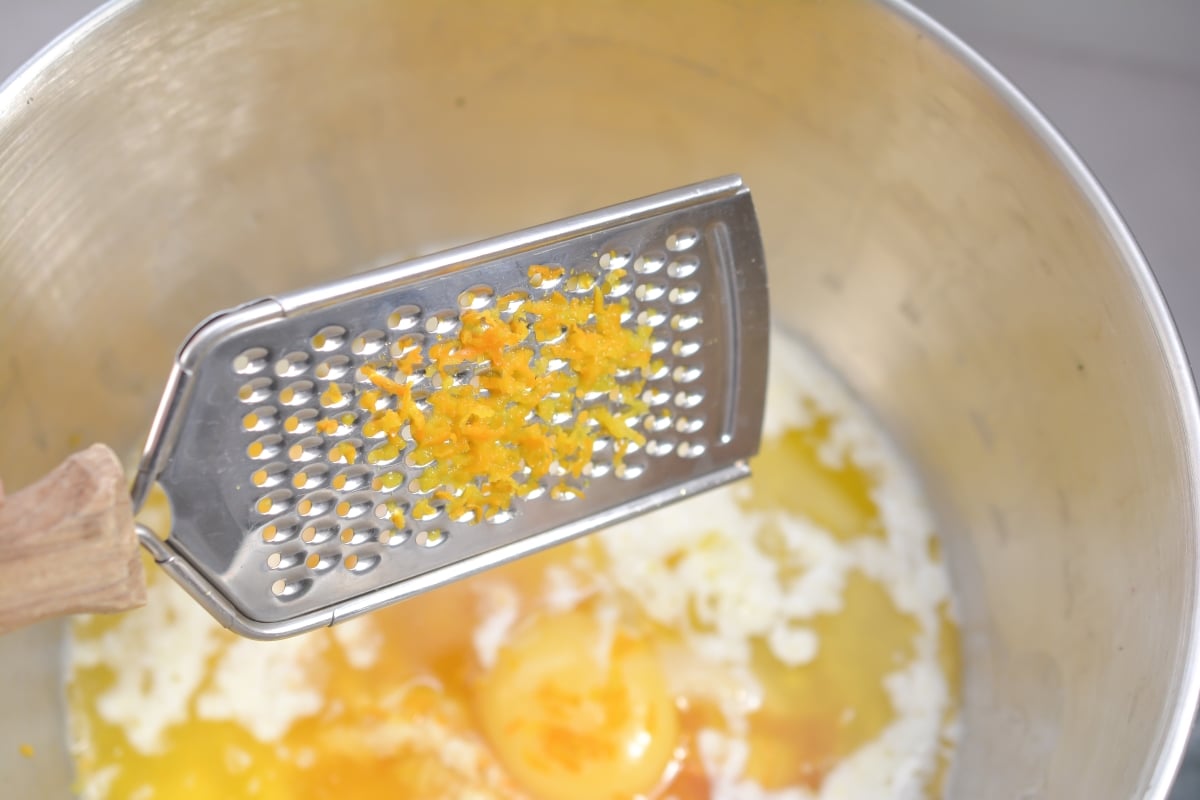
Fresh lemon juice and zest carry the flavor. Bottled juice will work, and the bars will still taste good, but fresh juice is brighter, and you need a lemon in hand for the zest anyway. Two lemons give you both.
Two forms of Lakanto’s monk fruit sweetener do two different jobs. The granular goes in the batter, where it has butter and eggs to dissolve into. The powdered is for dusting the cooled bars, because granular crystals sit on top and stay gritty. If you are working out which product you actually have, Is Monk Fruit Keto-Friendly? explains how the forms differ and when one can stand in for another.
How to Make Keto Lemon Bars
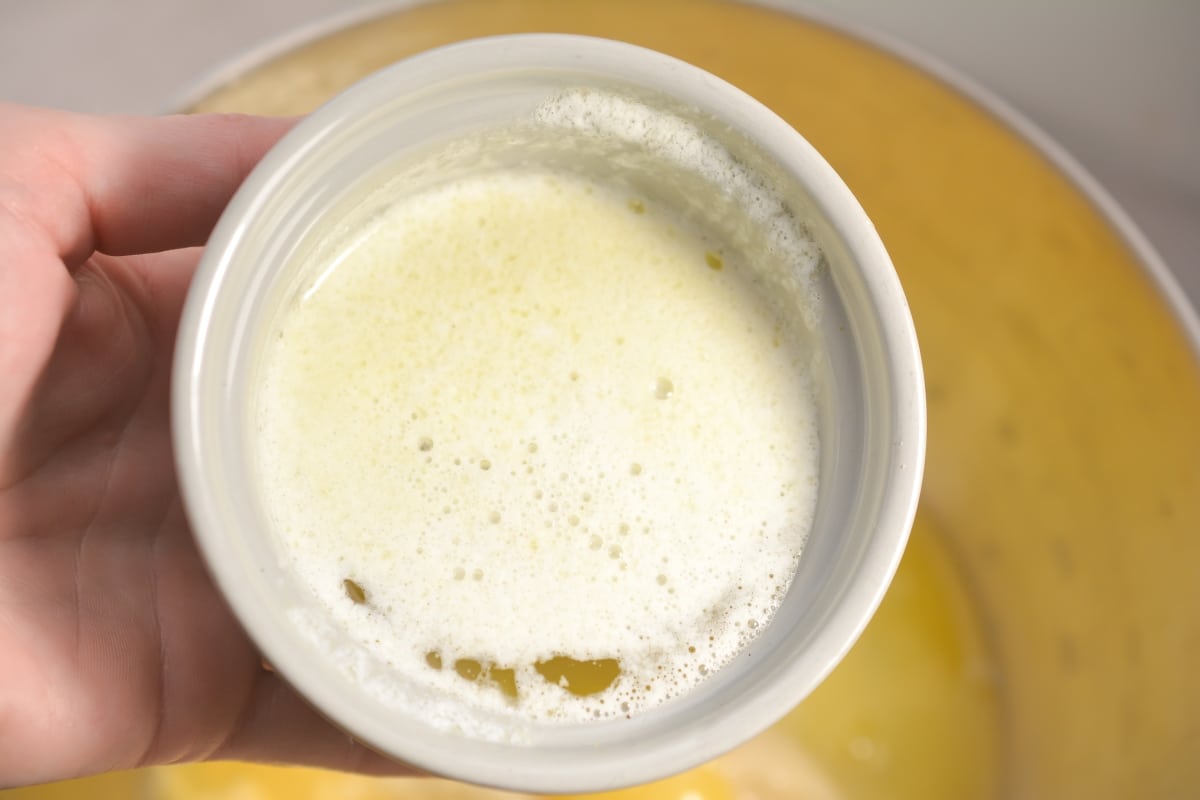
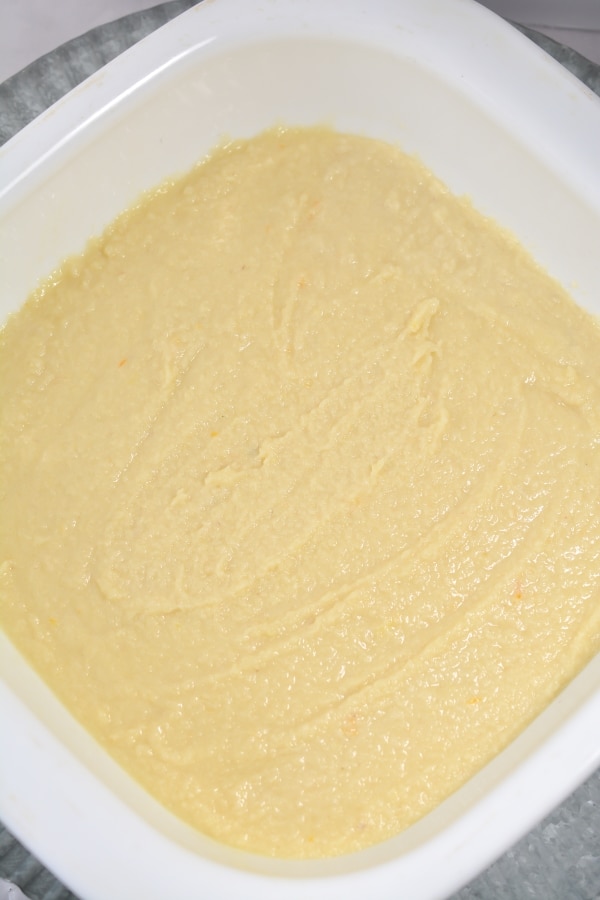
Everything goes in one bowl. Almond flour, granular sweetener, melted butter, vanilla, the eggs, the juice of two lemons and a tablespoon of zest — beat it on high until it is smooth, then spread it into a 9×9 dish.
Bake for 25 to 30 minutes, until it is cooked through and the middle no longer wobbles when you nudge the dish.
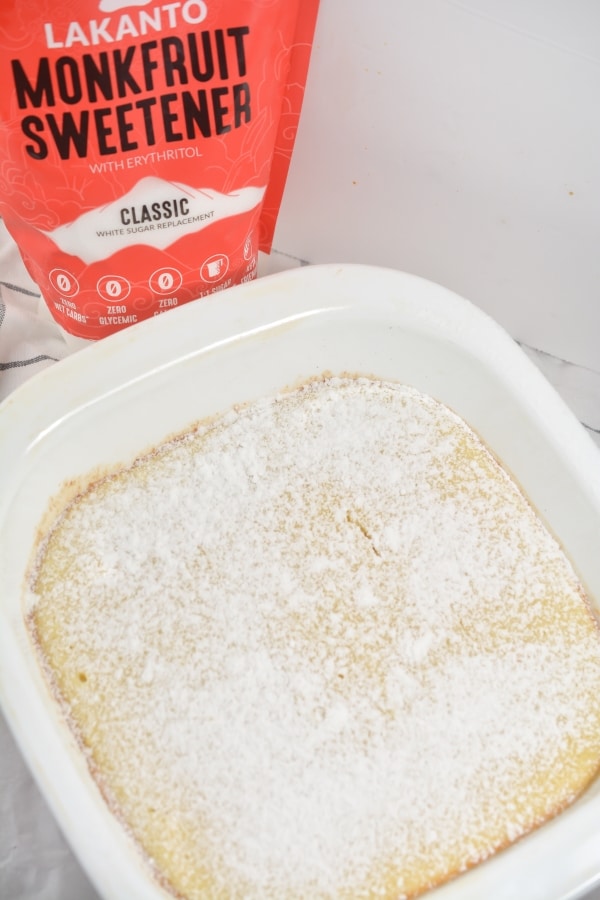
Let it cool to room temperature before cutting; warm bars will not slice cleanly. Dust with powdered sweetener just before serving.
Storing Keto Lemon Bars
Keep leftovers in an airtight container in the refrigerator. Laying a paper towel over the bars before you put the lid on catches the condensation that would otherwise soften them.
Eat them within about four days. This is an egg-set bake, so the refrigerator is where it belongs rather than the counter.
They freeze too. Lay them in a single layer until solid before you stack or bag them, so they don’t fuse together, and thaw them in the refrigerator rather than on the counter.
Keto Lemon Bars
Ingredients
All Ingredients
- 2 cups almond flour
- 1 tsp vanilla extract
- ½ cup lakanto classic monkfruit sweetener
- 8 tbsp butter, unsalted, melted
- 3x large egg
- 2x lemon, juiced
- 1 tbsp lemon zest
- A pinch of lakanto powdered monkfruit sweetener, for dusting
Nutrition Facts
9 servings per recipe| Per Serving 270 | Per Recipe 2470 | |||
| 16 servings of almond flour (2 cups) @ 90 each | 160 | 1440 | ||
| 1 serving of vanilla extract (1 tsp) @ 12 each | 1.33 | 12 | ||
| 8 servings of butter, unsalted (8 tbsp) @ 100 each | 88.89 | 800 | ||
| 3 servings of large egg (3 x) @ 60 each | 20 | 180 | ||
| 2 servings of lemon (2 x) @ 17 each | 3.78 | 34 | ||
| 1 serving of lemon zest (1 tbsp) @ 3 each | 0.33 | 3 | ||
| 25g | 33% | 228g | 293% | |
| 16 servings of almond flour (2 cups) @ 8 g each | 14.22 g | 128 g | ||
| 8 servings of butter, unsalted (8 tbsp) @ 11 g each | 9.78 g | 88 g | ||
| 3 servings of large egg (3 x) @ 4 g each | 1.33 g | 12 g | ||
| 2 servings of lemon (2 x) @ 0.2 g each | 0.04 g | 0.4 g | ||
| 8g | 38% | 68g | 342% | |
| 16 servings of almond flour (2 cups) @ 0.5 g each | 0.89 g | 8 g | ||
| 8 servings of butter, unsalted (8 tbsp) @ 7 g each | 6.22 g | 56 g | ||
| 3 servings of large egg (3 x) @ 1.5 g each | 0.5 g | 4.5 g | ||
| Trans Fat | 0g | 0% | 0g | 0% |
| 97mg | 32% | 870mg | 290% | |
| 8 servings of butter, unsalted (8 tbsp) @ 30 mg each | 26.67 mg | 240 mg | ||
| 3 servings of large egg (3 x) @ 210 mg each | 70 mg | 630 mg | ||
| 25mg | 1% | 210mg | 9% | |
| 1 serving of vanilla extract (1 tsp) @ 0.4 mg each | 0.04 mg | 0.4 mg | ||
| 3 servings of large egg (3 x) @ 70 mg each | 23.33 mg | 210 mg | ||
| 2 servings of lemon (2 x) @ 1 mg each | 0.22 mg | 2 mg | ||
| 18g | 6% | 159g | 58% | |
| 16 servings of almond flour (2 cups) @ 3 g each | 5.33 g | 48 g | ||
| 1 serving of vanilla extract (1 tsp) @ 0.5 g each | 0.06 g | 0.5 g | ||
| 12 servings of lakanto classic monkfruit sweetener (½ cup) @ 8 g each | 10.67 g | 96 g | ||
| 3 servings of large egg (3 x) @ 0.99 g each | 0.33 g | 2.97 g | ||
| 2 servings of lemon (2 x) @ 5.4 g each | 1.2 g | 10.8 g | ||
| 1 serving of lemon zest (1 tbsp) @ 1 g each | 0.11 g | 1 g | ||
| 2g | 8% | 20g | 71% | |
| 16 servings of almond flour (2 cups) @ 1 g each | 1.78 g | 16 g | ||
| 2 servings of lemon (2 x) @ 1.6 g each | 0.36 g | 3.2 g | ||
| 1 serving of lemon zest (1 tbsp) @ 0.6 g each | 0.07 g | 0.6 g | ||
| 2g | 20g | |||
| 16 servings of almond flour (2 cups) @ 1 g each | 1.78 g | 16 g | ||
| 1 serving of vanilla extract (1 tsp) @ 0.5 g each | 0.06 g | 0.5 g | ||
| 2 servings of lemon (2 x) @ 1.5 g each | 0.33 g | 3 g | ||
| 1 serving of lemon zest (1 tbsp) @ 0.3 g each | 0.03 g | 0.3 g | ||
| 11g | 96g | |||
| 12 servings of lakanto classic monkfruit sweetener (½ cup) @ 8 g each | 10.67 g | 96 g | ||
| Allulose | 0g | 0% | 0g | 0% |
| 5g | 43g | |||
| 16 servings of almond flour (2 cups) @ 2 g each | 3.56 g | 32 g | ||
| 1 serving of vanilla extract (1 tsp) @ 0.5 g each | 0.06 g | 0.5 g | ||
| 3 servings of large egg (3 x) @ 0.99 g each | 0.33 g | 2.97 g | ||
| 2 servings of lemon (2 x) @ 3.8 g each | 0.84 g | 7.6 g | ||
| 1 serving of lemon zest (1 tbsp) @ 0.4 g each | 0.04 g | 0.4 g | ||
| 7g | 15% | 67g | 135% | |
| 16 servings of almond flour (2 cups) @ 3 g each | 5.33 g | 48 g | ||
| 3 servings of large egg (3 x) @ 6 g each | 2 g | 18 g | ||
| 2 servings of lemon (2 x) @ 0.6 g each | 0.13 g | 1.2 g | ||
| 1 serving of lemon zest (1 tbsp) @ 0.1 g each | 0.01 g | 0.1 g | ||
About these numbers: We are home cooks, not certified nutritionists. Nutrition is shared as a courtesy and calculated with free online nutrition calculators — we compare a few to get as close as we can — so please treat it as a helpful estimate rather than a guarantee. The brands you buy, any swaps you make, and how generously you portion the recipe will all move these numbers.
Directions
-
Preheat the oven to 350 degrees.
-
Place all of the ingredients into a mixing bowl, and beat on high until smooth.
-
-
Spread the mixture into a 9x9 baking dish.
-
-
Bake for 25-30 minutes until cooked through.
-
Let cool to room temperature, and then dust with Lakanto powdered sugar substitute before serving.
-
Frequently Asked Questions
Are lemons keto-friendly?
Yes. A tablespoon of fresh lemon juice has roughly 1g of carbohydrate, so the two lemons in this recipe spread across nine bars add very little per serving. Lemon zest adds plenty of flavor for essentially no carbohydrate at all.
Do I really need to use fresh lemon juice for this recipe?
No, fresh juice isn’t strictly required — bottled lemon juice will work. Fresh juice tastes brighter, and some bottled brands add sugar, so check the label if you go that route.
You need a lemon for the zest regardless, so you may as well juice it while you have it.
Can I make my keto lemon bars more tart?
There is only the one batter here, so any adjustment goes in before it is spread — there is no separate filling to dose at the end.
Zest is the lever to use. It carries the lemon oils, which is where most of the aroma lives, and it adds no liquid at all — so it cannot affect how the bars set. The recipe uses a tablespoon, and going up from there is the safer of the two adjustments. Do it gradually rather than in one jump — the white pith under the peel is bitter, so there is a practical limit to how far down a lemon you can grate before the flavor turns.
Extra juice is the riskier route. This is an egg-set bake and the liquid is part of what the eggs have to hold, so adding more works against the set. If you go that way, keep it small.
Can I use almond meal as a substitute for almond flour?
This recipe is written for blanched almond flour.
Almond meal is a different ingredient rather than a coarser version of the same one: it is ground less finely and it keeps the skins on. Both of those show up in a soft-set bar, where there is nothing else to hide behind.
Can I refrigerate my keto lemon bars?
Yes. Store them in an airtight container in the refrigerator. Setting a paper towel over the bars before you put the lid on catches condensation, which keeps the tops from going soft.
They can also be frozen. Freeze them in a single layer so they don’t stick together, then move them to the refrigerator to thaw before serving.
Wrap Up
One bowl, one dish, about fifteen minutes to put together and twenty-five in the oven — plus the wait while they cool enough to cut cleanly. The Nutrition Facts panel has the numbers for a single bar.
Have you tried this recipe or any other recipe on the blog? Please rate it below and let us know what you think in the comments! We love hearing from you!
You can also share it on Instagram using the hashtag #buttertogetherkitchen and we will feature you on our page.
Updated — September 18, 2026: The walkthrough now matches the recipe card — one bowl, beaten smooth, spread into the dish and baked.
Correction — September 18, 2026: The method is one bowl — everything is beaten together and spread into the dish. The article previously described a separate pressed base and poured filling, which this recipe does not use.