
Ingredient guides
Is Cauliflower Keto-Friendly? Carbs by Serving and Cooking Tips
Introduction
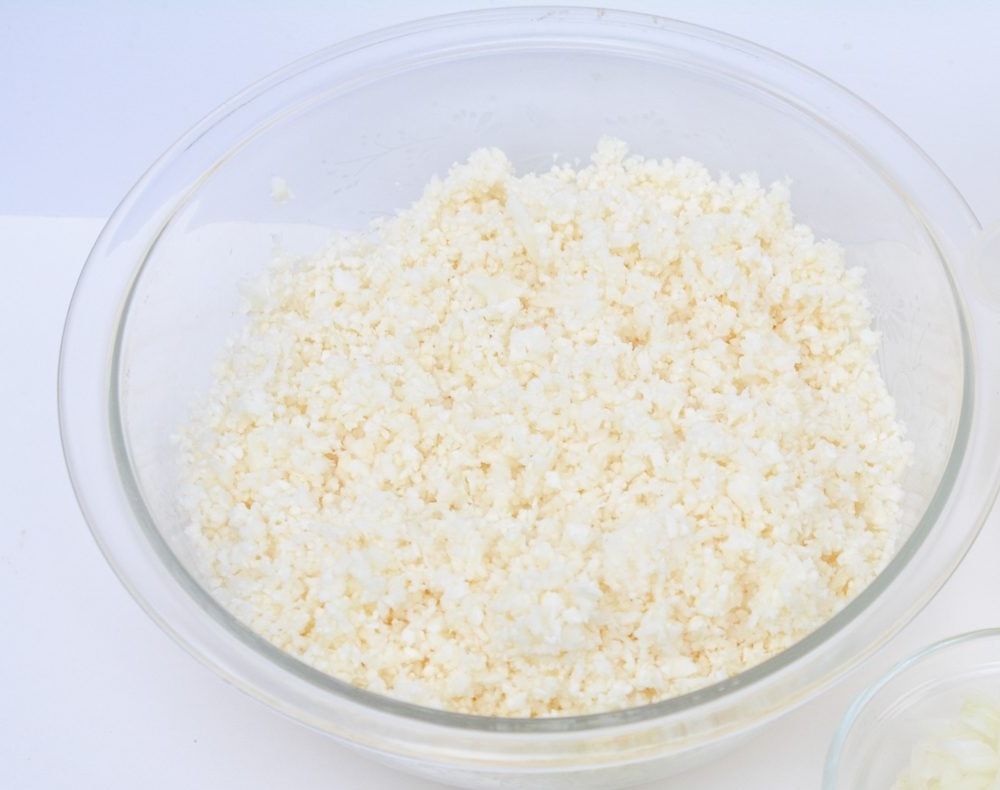
The carb count is the easy part of cooking with cauliflower. The part that decides whether the dish turns out well is water. Raw cauliflower is about 92 percent water by weight, and the same florets that make a good mash will make fritters that spread in the pan or grits that never thicken if nobody deals with it.
How Many Carbs Are in Cauliflower?
The figures above come from USDA FoodData Central’s entry for raw cauliflower. A cup of chopped raw florets, about 107 grams, has roughly:
- 27 calories
- 5.3 grams of total carbohydrate
- 2.1 grams of fiber
- 2.1 grams of protein
- 0.3 grams of fat
Subtract the fiber from the total carbohydrate and you get the 3.2 grams of net carbs.
That’s low for a full cup, but it still adds up with the portion: two cups of mash have twice the carbs of one. What tends to move the number more is what goes in with it: flour or breadcrumbs in a coating, a sauce thickened with flour, or a sweet glaze.
Raw, Cooked and Frozen Cauliflower
USDA lists fresh and frozen cauliflower both raw and boiled, and the four come out close:
| Cauliflower | Serving | Total carbs | Fiber | Net carbs |
|---|---|---|---|---|
| Fresh, raw, chopped | 1 cup (107 g) | 5.3g | 2.1g | 3.2g |
| Fresh, boiled and drained | 1 cup (124 g) | 5.1g | 2.9g | 2.2g |
| Frozen, uncooked | 1 cup (132 g) | 6.2g | 3.0g | 3.1g |
| Frozen, boiled and drained | 1 cup (180 g) | 6.8g | 4.9g | 1.9g |
Look at the serving column before the carb columns. A cup is not a fixed amount of cauliflower: in the same data, a cup of chopped raw florets weighs 107 grams and a cup of frozen pieces boiled and drained weighs 180 grams. Cooked cauliflower packs into a cup more densely than raw, frozen pieces most of all, so a cup of it is simply more cauliflower. If you’re counting closely, weigh it, or at least measure it in the same state as the nutrition figure you’re using.
Bags of frozen riced cauliflower carry their own labels, and brands don’t agree on how much a cup weighs. Go by the serving size in grams on your bag rather than assuming one brand’s cup matches another’s.
Cauliflower Instead of Potatoes or Rice
Usually the real question behind “is cauliflower keto?” is whether it can stand in for potatoes or rice. On carbohydrate alone, the gap is wide. Per 100 grams cooked, from the same USDA dataset:
| Food | Calories | Total carbs | Fiber | Net carbs |
|---|---|---|---|---|
| White rice, long-grain, cooked | 130 | 28.2g | 0.4g | 27.8g |
| Potato, boiled, flesh only | 86 | 20.0g | 1.8g | 18.2g |
| Cauliflower, boiled and drained | 23 | 4.1g | 2.3g | 1.8g |
That gap is why cauliflower mash and cauliflower rice exist. But it is a swap in the kitchen, not a nutritional replacement. Cauliflower has far less starch and fewer calories, and it brings a lot more water to the pan. Treat it as its own vegetable that happens to fill the same spot on the plate.
Ways to Use Cauliflower on Keto
The easiest way to choose a preparation is to decide what you want the cauliflower to stand in for, because each job starts from a different form.
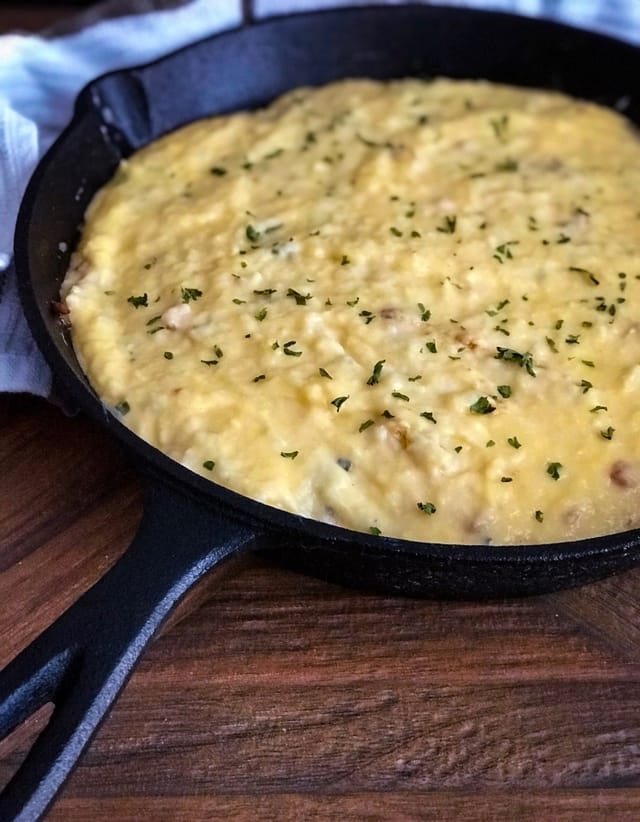
- Something like mashed potatoes. Boil fresh florets until soft, drain them and mash them, or start from a box of frozen mashed cauliflower. Our Cheesy Mashed Cauliflower Shepherd’s Pie takes the box route, with cheddar stirred into the mash before it goes over a creamy ground beef filling. Our Keto Papas Rellenas go further: the mash is enriched with cheese, butter and cream, shaped into balls around seasoned beef, coated in almond flour and baked.
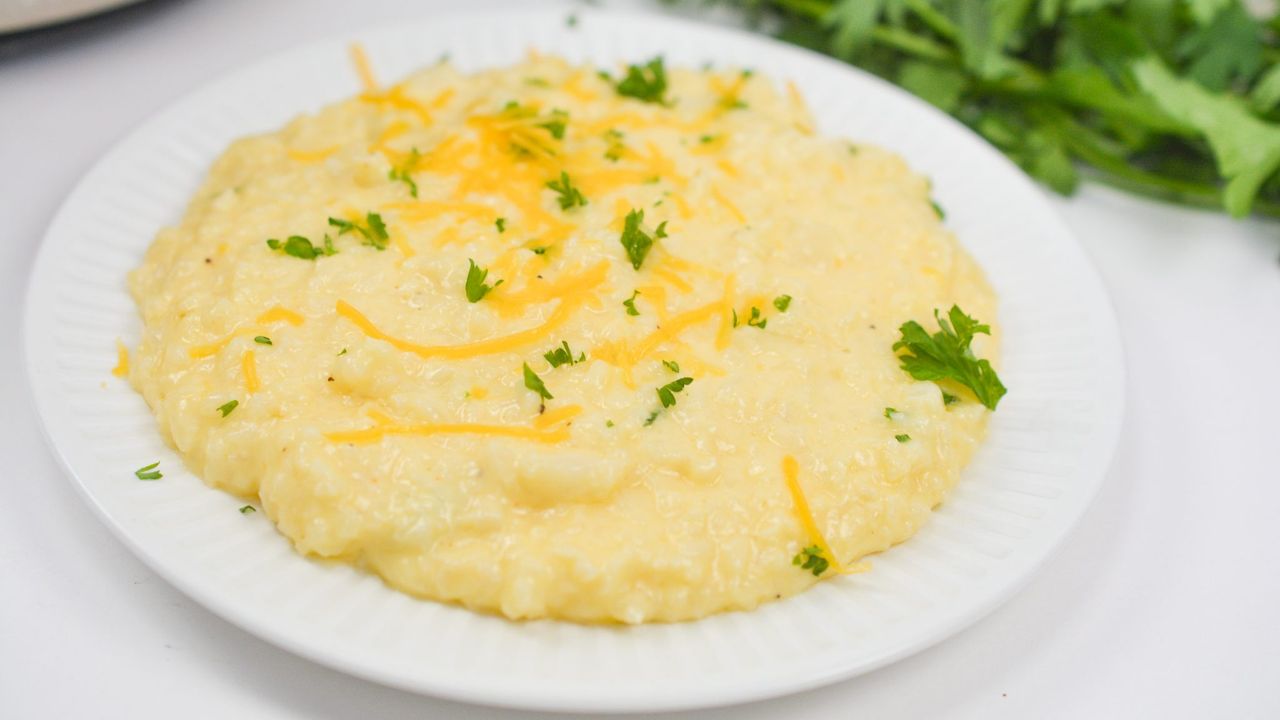
- Something like rice or grits. Frozen riced cauliflower is the shortcut here. Our Cheesy Cajun Cauliflower Grits cook it with cream, Cajun seasoning and two cheddars until it’s thick and spoonable, and our Keto Stuffed Pepper Soup can take a cup of cauliflower rice in place of the shirataki rice it’s written for.
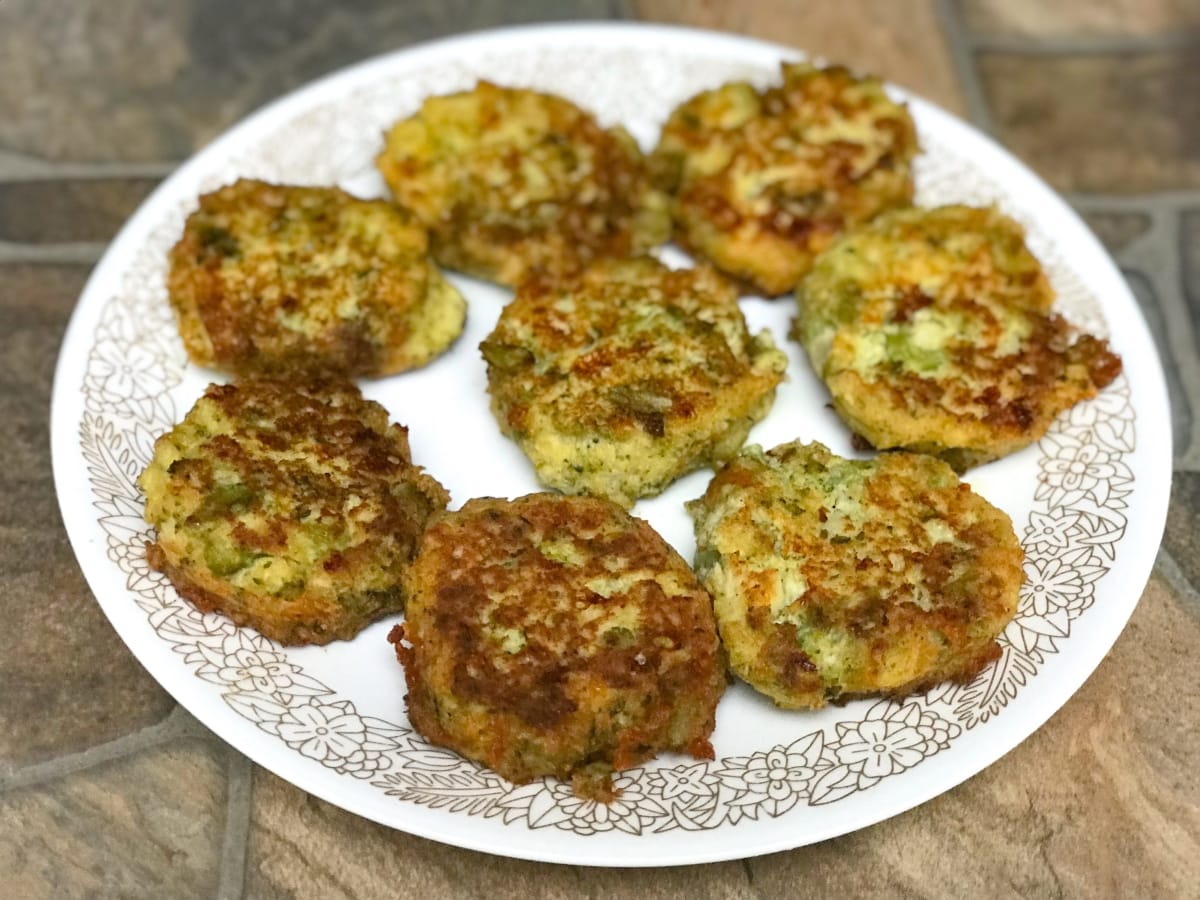
- Patties with crisp edges. Mashed cauliflower bound with egg and cheese fries into fritters. Our Cauliflower Broccoli Fritters mix it with broccoli, mozzarella and almond flour, and they’re fried so the outside crisps while the middle stays soft.
- A bed for something saucy. Plain cauliflower rice is there to catch sauce. We serve our Instant Pot Cheesy Ranch Chicken over it, and our Keto Butter Chicken Meatballs and their sauce go over it too.
Cauliflower often stands in for the macaroni in keto mac and cheese, but our Keto Mac and Cheese takes a different route and gets its noodles from shirataki.
How to Keep Cauliflower From Getting Watery
Whichever route you pick, all that water has to go somewhere, and where it ends up is what our cauliflower recipes are built around:
- Boiled cauliflower for mash or fritters: drain it well, then press it. For fritters, draining the mash properly is the difference between a patty that holds its shape in the pan and one that spreads, so press it and then press it again.
- Frozen riced cauliflower in a creamy dish: put it in a dry skillet straight from the bag, still frozen, and cook it until the pan no longer looks wet but the rice still has some bite. Any water left in the pan ends up in the cream.
- Cauliflower rice in soup: add it near the end. In our stuffed pepper soup it goes in for only the last 5 minutes, because any earlier and it turns mushy. That timing is for cauliflower rice in that soup; bigger pieces or another soup follow their own recipe.
None of this changes the carb count. It changes whether the finished dish has the texture you were after, which is the whole reason for cooking with cauliflower in the first place.
Frequently Asked Questions
Can I use frozen cauliflower instead of fresh?
In cooked dishes where the cauliflower gets mashed, riced or simmered, usually yes, as long as you deal with its water. Cook frozen riced cauliflower in a dry skillet straight from the bag until the pan stops looking wet, and only then add cream or cheese, the way our Cheesy Cajun Cauliflower Grits do.
For fritters, whichever cauliflower you start with has to be drained and pressed well, or the patties spread in the pan.
Don’t count on a cup of one standing in for a cup of the other, though. In USDA’s figures a cup of frozen cauliflower pieces weighs 132 grams and a cup of chopped raw florets 107 grams, so go by weight, or by the serving size in grams on the bag.
Does roasting cauliflower change the carbs?
Roasting doesn’t add carbohydrate to the cauliflower you started with, and oil adds none. It does cook off water, so the florets shrink, and a cup of roasted cauliflower holds more cauliflower, and so more carbs, than a cup of raw. If you’re tracking closely, weigh the cauliflower before it goes in the oven and divide by the number of servings.
What actually moves the number is a sweet glaze or a flour or breadcrumb coating.
How long do cooked cauliflower leftovers keep?
Treat them like any other leftovers: refrigerate them in an airtight container within two hours of cooking, or one hour if it’s above 90°F, and eat them within 3 to 4 days. Reheat them until they reach 165°F all the way through.
The Bottom Line
Yes, cauliflower works well in keto cooking, at about 3.2 grams of net carbs in a cup of chopped raw florets. Cooking it adds no carbs to the cauliflower you started with, as long as nothing carb-containing goes in with it, but it does change how much fits in a cup. So count from the state you measured in, get the water out before the cream and cheese go in, and check the coating, sauce or glaze, which moves the number more than the cauliflower does.
Recipes From This Guide
Every recipe this guide points to, in one place.
-
Cheesy Cauliflower Grits (Cajun-Style, Low Carb)
Appetizers & Sides November 10, 2026 -
Easy Cauliflower Broccoli Fritters – Keto & Low Carb
Appetizers & Sides, Lunch & Dinner June 13, 2018 -
Cheesy Mashed Cauliflower Shepherd’s Pie – Low Carb, Gluten Free
Lunch & Dinner May 15, 2018 -
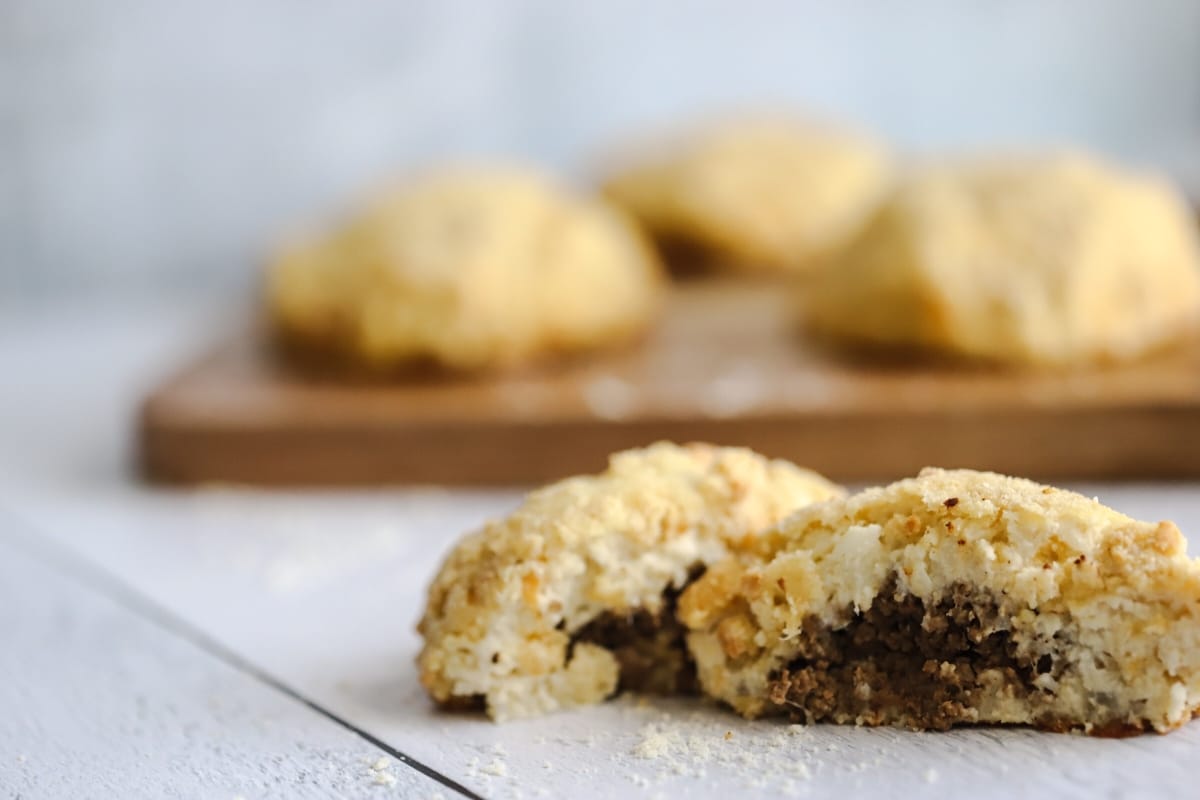
Keto Papas Rellenas Made with Cauliflower
Appetizers & Sides, Lunch & Dinner May 6, 2019